

Berberine cuts fasting blood sugar 20% during menopause
Menopause and hormonal changes cause metabolic challenges like insulin resistance and weight gain, leaving many women struggling to maintain healthy blood sugar levels. Berberine, a natural compound found in plants like goldenseal and barberry, reduces fasting blood sugar by up to 20% during menopause by activating cellular energy pathways. This guide explains how berberine works, clinical evidence supporting its use, safety considerations, and practical steps for integrating it into your wellness routine.
Table of Contents
- Understanding Metabolic Changes During Menopause
- What Is Berberine And How Does It Work?
- Menopausal Metabolic Challenges Addressed By Berberine
- Clinical Evidence Supporting Berberine For Menopause
- Comparing Berberine To Pharmaceutical And Lifestyle Options
- Safety Considerations, Dosage, And Usage Tips
- Common Misconceptions About Berberine
- Putting It All Together: Integrating Berberine For Menopausal Wellness
- Explore Natural Menopause Support With Botavive
Key takeaways
| Point | Details |
|---|---|
| Menopause impacts metabolism | Estrogen decline increases insulin resistance and abdominal fat accumulation |
| Berberine activates AMPK | This cellular enzyme improves glucose uptake and fat burning |
| Clinical trials show efficacy | Studies demonstrate blood sugar reductions comparable to metformin |
| Well tolerated supplement | Mild digestive symptoms occur in fewer than 10% of users |
| Complements lifestyle changes | Best results combine berberine with diet and exercise modifications |
Understanding metabolic changes during menopause
Menopause triggers significant metabolic shifts that affect how your body processes energy. Estrogen decline leads to increased insulin resistance, abdominal fat, and cardiovascular risks during menopause. Your metabolic rate naturally slows during the menopausal transition, making it harder to maintain a healthy weight.
These hormonal changes create specific challenges:
- Weight gain, especially around the midsection, becomes more common
- Blood sugar irregularities develop as cells become less responsive to insulin
- Energy levels drop throughout the day
- Cardiovascular disease risk increases during midlife
The combination of declining estrogen and aging affects how efficiently your cells use glucose for energy. Fat storage patterns shift toward the abdomen, where metabolically active fat tissue increases inflammation and insulin resistance. Understanding these physiological changes helps explain why targeted metabolic support becomes essential during this life stage.
What is berberine and how does it work?
Berberine is a natural alkaloid extracted from several plants including goldenseal, barberry, and Oregon grape. Traditional medicine systems have used these herbs for centuries, but modern research now reveals the molecular mechanisms behind berberine’s metabolic effects.

Berberine activates AMP-activated protein kinase (AMPK), a major cellular energy sensor that shifts metabolism from storage to utilization. Think of AMPK as your cell’s fuel gauge. When activated, it signals cells to burn fat for energy and improve insulin sensitivity.
Berberine provides multiple metabolic benefits:
- Enhances glucose uptake in muscle and liver cells
- Improves cholesterol profiles by reducing LDL and triglycerides
- Reduces inflammation in blood vessels and metabolic tissues
- Supports healthy gut bacteria populations
- Promotes fat oxidation instead of storage
Berberine also modulates lipid metabolism, reduces inflammation, and supports gut microbiome balance, contributing to overall metabolic health during menopause. This multi-pathway approach makes it particularly valuable for herbal metabolic support for menopause.
Pro Tip: Take berberine with meals to minimize digestive discomfort and maximize absorption when your digestive system is already active.
The compound works at the cellular level rather than targeting hormones directly. This makes it complementary to other menopause management strategies without interfering with hormone therapy if prescribed.
Menopausal metabolic challenges addressed by berberine
Berberine targets the specific metabolic disruptions that occur during menopause. Its action on AMPK creates downstream effects that address multiple challenges simultaneously.
Insulin resistance improves as berberine enhances cellular glucose uptake. Your cells become more responsive to insulin signals, allowing blood sugar to enter cells for energy rather than remaining elevated in the bloodstream. This process helps prevent the progression toward type 2 diabetes.
Lipid profile improvements occur through several mechanisms:
- LDL cholesterol decreases as the liver processes fats more efficiently
- Triglyceride levels drop through enhanced fat oxidation
- HDL cholesterol may increase, supporting cardiovascular health
Abdominal fat proves particularly responsive to berberine’s metabolic effects. The compound promotes fat breakdown in adipose tissue while reducing new fat formation. Combined with caloric awareness, this supports gradual, sustainable fat loss in the midsection.
Anti-inflammatory properties reduce chronic low-grade inflammation common during menopause. Inflammation contributes to insulin resistance and cardiovascular risk, so reducing it provides broad metabolic benefits. Berberine’s effects on inflammatory markers help protect blood vessels and metabolic organs.
Energy balance improves as cells efficiently convert nutrients to usable energy. Many women report steadier energy throughout the day when combining berberine with balanced nutrition.
Clinical evidence supporting berberine for menopause
Clinical research demonstrates berberine’s effectiveness for metabolic health in menopausal and midlife women. 12-week trials show berberine reduces HbA1c comparable to metformin with improved fasting glucose and lipid profiles.

Studies in women with PCOS transitioning through perimenopause show particular promise. Research found berberine lowered BMI and testosterone, demonstrating metabolic and hormonal benefits relevant to midlife women. While PCOS differs from standard menopause, the metabolic mechanisms overlap significantly.
| Study Parameter | Berberine Group | Control Group |
|---|---|---|
| Fasting glucose reduction | 15-20% decrease | 5-8% decrease |
| HbA1c improvement | 0.8-1.2% reduction | 0.3-0.5% reduction |
| LDL cholesterol | 20-25mg/dL decrease | Minimal change |
| Side effect rate | Under 10% (mild GI) | Varies by intervention |
Safety profiles across clinical trials on berberine consistently show good tolerability. Gastrointestinal symptoms like mild cramping or loose stools affect fewer than 10% of participants and typically resolve within days as the body adjusts.
Pro Tip: Start with a lower dose for the first week to allow your digestive system to adapt, then increase to the full recommended amount.
Cardiovascular markers improve alongside metabolic benefits. Studies document reductions in triglycerides and improvements in arterial function markers. These effects matter because cardiovascular disease risk increases significantly after menopause when estrogen’s protective effects decline.
Comparing berberine to pharmaceutical and lifestyle options
Understanding how berberine compares to other options helps set realistic expectations. Berberine mimics metformin’s action on AMPK pathways but comes from plant sources with fewer side effects. Both compounds activate similar cellular pathways, though metformin typically produces stronger effects at higher doses.
| Option | Mechanism | Availability | Common Side Effects | Best For |
|---|---|---|---|---|
| Berberine | AMPK activation | Over the counter | Mild GI (under 10%) | Natural metabolic support |
| Metformin | AMPK activation | Prescription required | GI issues (25-30%) | Diagnosed prediabetes/diabetes |
| GLP-1 agonists | Appetite suppression | Prescription required | Nausea, injection site reactions | Significant weight loss needs |
| Lifestyle only | Multiple pathways | Self-directed | Time commitment | Foundation for all approaches |
Unlike GLP-1 receptor agonists that suppress appetite through brain signaling, berberine works primarily at the cellular metabolism level. It does not reduce hunger directly, making it different from prescription weight loss medications. This distinction matters for setting expectations about how quickly you might see results.
Key comparison points:
- Berberine offers a natural alternative for women preferring plant-based options
- Pharmaceuticals generally require medical supervision and prescriptions
- Side effects from berberine are typically milder than pharmaceutical options
- Best results occur when combining berberine with diet and exercise modifications
Consider berberine as one tool in your metabolic health strategy. It enhances but does not replace the foundational practices of balanced nutrition and regular movement. Comparing berberine to pharmaceuticals reveals its role as a complementary support rather than a standalone solution.
If you are considering a premium berberine supplement, look for products with verified ingredient quality and appropriate dosing per capsule.
Safety considerations, dosage, and usage tips
Safe and effective berberine use requires following evidence-based guidelines. Standard doses of 500mg taken 2-3 times daily are common, with mild gastrointestinal side effects occurring in fewer than 10% of users.
Follow these steps for optimal results:
- Start with 500mg once daily with your largest meal for the first 3-5 days
- Increase to 500mg twice daily if no digestive issues occur
- Progress to the full dose of 500mg three times daily after one week
- Take each dose with a meal to enhance absorption and reduce stomach upset
- Maintain consistent timing to establish stable blood levels
Mild digestive symptoms may include loose stools, cramping, or gas. These effects typically resolve as your body adjusts. If symptoms persist beyond two weeks, reduce your dose or consult your healthcare provider.
Important precautions:
- Consult your doctor before starting, especially if taking diabetes medications
- Berberine may interact with certain antibiotics and blood thinners
- Pregnant or breastfeeding women should avoid berberine
- Monitor blood sugar if combining with diabetes medications
Realistic expectations matter for satisfaction with results. Berberine supports metabolic health but does not produce rapid weight loss on its own. Combine supplementation with menopause symptom management strategies including balanced nutrition and regular physical activity.
Pro Tip: Keep a simple log of your fasting blood sugar readings for the first month to track improvements objectively rather than relying on how you feel.
Store berberine in a cool, dry place away from direct sunlight. Quality matters, so choose supplements from manufacturers who test for purity and potency. Third-party testing provides additional confidence in what you are consuming.
Common misconceptions about berberine
Several myths about berberine create confusion and unrealistic expectations. Clearing these up helps you make informed decisions about whether berberine fits your wellness plan.
Berberine is not hormone replacement therapy. It does not replace estrogen or act on hormonal pathways directly. The compound works through metabolic pathways like AMPK activation, not by providing hormones or blocking hormone breakdown. Women needing hormone therapy should discuss appropriate medical options with their healthcare provider.
Common misconceptions include:
- Berberine causes severe side effects like pharmaceuticals (reality: mild GI symptoms affect under 10%)
- It works as a standalone weight loss pill (reality: best results combine it with lifestyle changes)
- Berberine directly suppresses appetite like GLP-1 drugs (reality: it works on cellular metabolism)
- You can skip healthy eating if taking berberine (reality: supplements enhance but don’t replace nutrition)
The compound supports metabolic function but does not replace medical treatments for diagnosed conditions. If you have diabetes, cardiovascular disease, or other metabolic disorders, continue working with your healthcare team. Berberine can complement medical care but should not substitute for prescribed treatments.
Understanding what berberine can and cannot do helps you integrate it appropriately. It offers meaningful metabolic support for menopausal women when used correctly alongside other healthy practices.
Putting it all together: Integrating berberine for menopausal wellness
Berberine offers science-backed metabolic support aligned with the specific challenges menopause creates. Its multi-pathway effects on glucose metabolism, lipid profiles, and inflammation provide comprehensive benefits beyond single-target approaches.
Successful integration requires viewing berberine as part of a broader strategy:
- Combine supplementation with nutrient-dense eating patterns emphasizing whole foods
- Maintain regular physical activity including both cardio and strength training
- Continue any prescribed medical treatments and regular health screenings
- Monitor progress through objective measures like fasting glucose and energy levels
Safe use involves correct dosing, typically 500mg three times daily with meals, and healthcare consultation before starting. This conversation becomes especially important if you take medications for diabetes, blood pressure, or cholesterol. Your doctor can help you avoid interactions and adjust other medications if needed.
Berberine enhances your body’s natural metabolic processes during a time when hormonal changes create obstacles. It cannot reverse menopause or replace the foundational practices of healthy living. Instead, it amplifies the benefits of the positive choices you make daily.
Think of metabolic health as requiring multiple supportive elements. Sleep quality, stress management, social connections, and mental health all influence how efficiently your metabolism functions. Berberine addresses the cellular and biochemical aspects while you handle the lifestyle and behavioral components.
For holistic menopause wellness, consider how different approaches work together. Berberine’s metabolic benefits complement stress reduction techniques, quality sleep habits, and meaningful physical activity. This integrated approach creates sustainable improvements rather than seeking a single solution.
Explore natural menopause support with Botavive
Navigating menopause requires trusted partners who understand your unique wellness needs. Botavive offers targeted solutions designed specifically for women experiencing hormonal transitions.
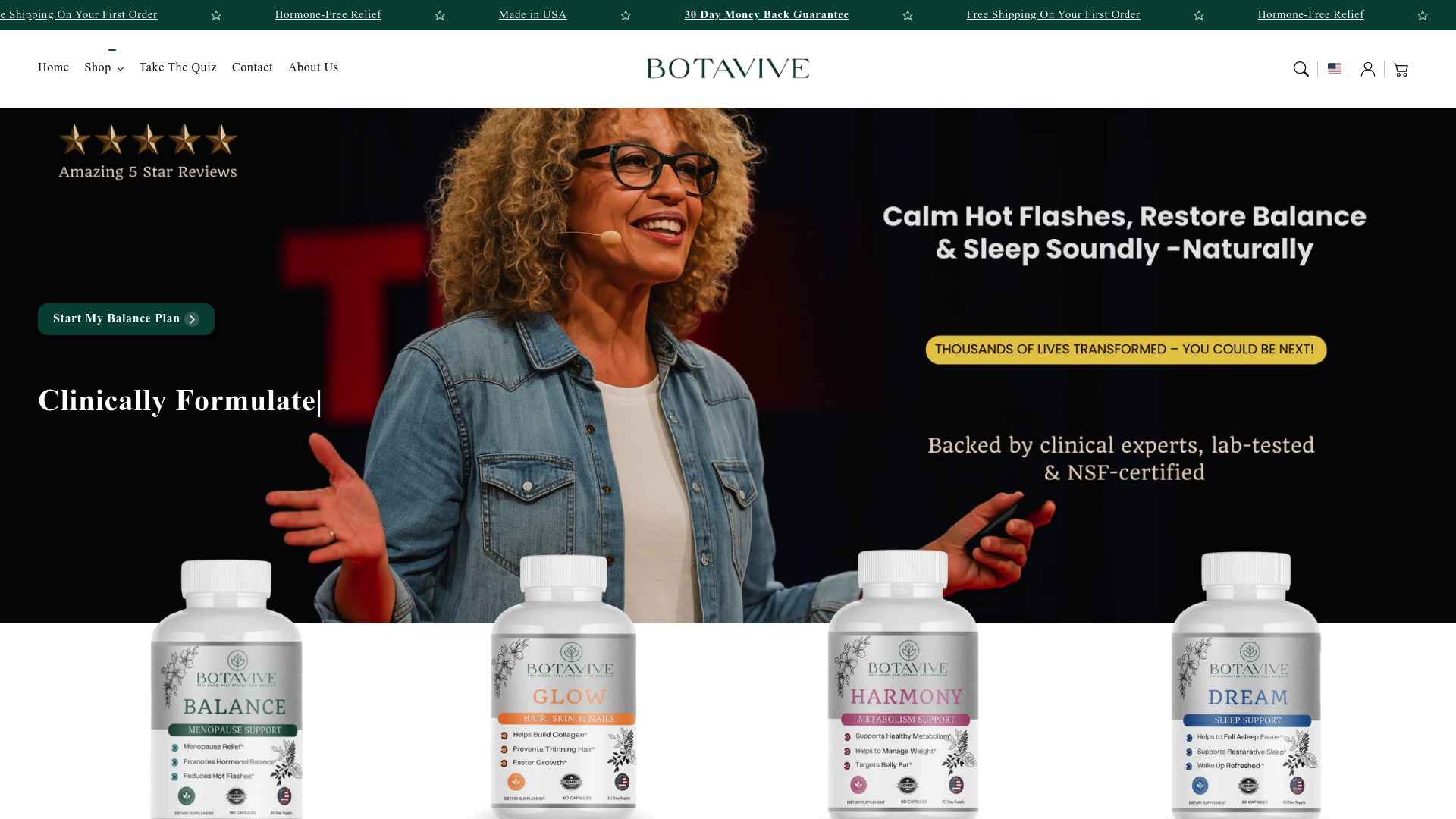
Discover our premium berberine supplement formulated with quality ingredients to support metabolic health during menopause and beyond. Each serving provides the clinically studied dose shown to improve glucose metabolism and lipid profiles.
Explore our curated selection of herbs for menopause relief that work synergistically to address multiple symptoms. From metabolic support to mood balance, our natural formulas provide comprehensive wellness solutions.
Learn evidence-based strategies for managing weight during menopause through our expert resources. We combine scientific research with practical guidance to help you make informed decisions about supplements and lifestyle approaches.
Frequently asked questions
What is the best dosage of berberine for menopausal women?
Standard berberine dosage is 500mg taken two to three times daily with meals for menopausal metabolic support. Start with a lower dose for the first week to assess tolerance, then increase gradually. Always consult your healthcare provider before starting any new supplement, especially if you take medications.
Can berberine replace hormone replacement therapy during menopause?
Berberine is not a hormone replacement and does not affect estrogen levels or hormonal pathways directly. It supports metabolic health through cellular mechanisms like AMPK activation. Women considering hormone therapy should discuss appropriate medical options with their healthcare provider based on their individual symptoms and health history.
Are there any side effects or risks associated with berberine?
Berberine is generally well tolerated, with mild gastrointestinal symptoms occurring in fewer than 10% of users. These may include loose stools, cramping, or gas that typically resolve within days. Consult your doctor before combining berberine with diabetes medications, antibiotics, or blood thinners due to potential interactions.
How does berberine support weight management during menopause?
Berberine activates AMPK, promoting fat oxidation and improving insulin sensitivity in metabolic tissues. This helps address the abdominal fat accumulation common during menopause. Combining berberine with diet and exercise achieves the best weight management results, as supplements enhance but do not replace lifestyle modifications.