

Gut health checklist for menopausal women: natural relief 2026
Menopause brings more than hot flashes. Hormonal shifts disrupt gut motility and microbiome balance, causing bloating, constipation, and nausea in up to 60% of women. Many struggle to find clear guidance tailored to their unique needs. This gut health checklist delivers natural, proven strategies to ease digestive discomfort during menopause, helping you regain control and comfort.
Table of Contents
- Selection Criteria For Menopausal Gut Health Solutions
- Dietary Strategies To Boost Gut Health
- Top Supplements For Menopausal Gut Health
- Lifestyle Habits To Support Gut Health
- Implementing A Gut Health Checklist
- Summary Comparison Of Gut Health Interventions
- Situational Recommendations: Best Picks Based On Your Needs
- Support Your Menopausal Gut Health Naturally With Botavive
- FAQ
Key takeaways
| Point | Details |
|---|---|
| Hormonal changes disrupt digestion | Estrogen and progesterone drops cause gut issues in up to 60% of menopausal women. |
| Multi-faceted approach works best | Combining diet, supplements, and lifestyle delivers optimal symptom relief. |
| Targeted foods and supplements help | Prebiotics, fermented foods, probiotics, and herbal remedies ease common symptoms effectively. |
| Exercise and stress management matter | Regular activity and stress reduction boost digestive health by about 25%. |
| Personalized checklist simplifies action | A daily routine helps implement effective gut health strategies consistently. |
Selection criteria for menopausal gut health solutions
Choosing the right gut health interventions during menopause requires understanding how hormonal fluctuations affect digestion. Estrogen and progesterone declines directly impact gut motility and microbiome diversity. Safety becomes paramount when your hormonal status is in flux.
Evidence-based solutions offer the best outcomes. Look for interventions backed by clinical research showing measurable improvements in symptoms like bloating, constipation, and irregular bowel movements. Natural remedies appeal to many women because they align with a holistic wellness philosophy and typically have fewer side effects than pharmaceutical options.
Practicality matters too. Solutions should fit seamlessly into your daily routine without demanding major lifestyle overhauls. Cost, tolerability, and ease of access influence which strategies you’ll stick with long term. Understanding menopause key facts and support tips helps you make informed decisions.
When evaluating options, consider these key factors:
- Compatibility with your current hormonal status and any hormone therapy
- Scientific evidence supporting effectiveness for menopause-related digestive issues
- Safety profile and potential interactions with medications or conditions
- Ease of implementation into your existing daily routine
- Cost effectiveness and long-term sustainability
Pro Tip: Keep a symptom diary for two weeks before starting any new intervention to establish your baseline and track improvements accurately.
Dietary strategies to boost gut health
Your diet forms the foundation of gut health during menopause. Prebiotic fibers like inulin, fructooligosaccharides, and resistant starch feed beneficial bacteria in your colon. Research shows that 5-10 grams daily improves gut microbial diversity by 10-15%, which translates to better digestion and reduced discomfort.
Fermented foods deliver natural probiotics without supplements. Yogurt, kefir, kimchi, sauerkraut, and kombucha introduce beneficial bacteria strains that colonize your gut. Studies demonstrate that fermented foods increase beneficial gut bacteria, improving menopause-related digestive discomfort by over 20%. This rivals the effectiveness of many probiotic supplements.

Reducing processed sugars and refined carbohydrates minimizes gut irritation and inflammation. These foods promote harmful bacterial overgrowth while starving beneficial species. Hydration supports everything else by helping fiber work properly and maintaining healthy mucus layers in your digestive tract. Aim for at least 2 liters of water daily, adjusting for activity level and climate.
Exploring natural menopause diet strategies provides additional context for overall wellness during this transition.
| Food Category | Examples | Daily Target | Primary Benefit |
|---|---|---|---|
| Prebiotic Fibers | Onions, garlic, bananas, oats, asparagus | 5-10 grams | Feeds beneficial bacteria |
| Fermented Foods | Yogurt, kefir, kimchi, sauerkraut | 1-2 servings | Delivers live probiotics |
| Leafy Greens | Spinach, kale, collards, chard | 2-3 cups | Provides magnesium and fiber |
| Healthy Fats | Avocado, olive oil, nuts, seeds | 2-4 tablespoons | Reduces inflammation |
| Hydration | Water, herbal tea, broths | 8-10 cups | Supports fiber function |
Pro Tip: Introduce prebiotic fibers gradually over 7-10 days to minimize gas and bloating as your microbiome adjusts to increased fiber intake.
Top supplements for menopausal gut health
Supplements offer concentrated support when diet alone isn’t enough. Probiotic strains, particularly Lactobacillus rhamnosus and Bifidobacterium lactis, show strong evidence for improving constipation and bloating. Look for formulations with at least 10 billion CFUs and multiple strains for broader benefits.
Ginger powder delivers powerful digestive support. Clinical trials confirm that 1-2 grams daily reduces nausea by 30-40% in menopausal women over four weeks. It also improves gastric emptying and reduces inflammation throughout the digestive tract. You can take ginger as capsules, fresh grated root in tea, or powdered in smoothies.
Peppermint oil capsules with enteric coating reach your intestines intact, where they relax smooth muscle and ease cramping. Research shows herbal supplements like peppermint oil relieve IBS symptoms with up to 40% symptom severity reduction. The enteric coating prevents heartburn, a common side effect of regular peppermint oil.
Combining supplements with dietary changes amplifies benefits. Natural supplement regimens combining probiotics, herbal extracts, and fiber achieve 70% user satisfaction, significantly higher than single interventions alone.
Learn more about herbs for menopause relief and explore comprehensive natural menopause relief approaches for complete symptom management.
Key supplement recommendations:
- Multi-strain probiotic: 10-50 billion CFUs daily, taken with food
- Ginger: 1-2 grams powder or 500-1000 mg capsules, divided into two doses
- Peppermint oil: 0.2-0.4 ml enteric-coated capsules, 2-3 times daily between meals
- Prebiotic fiber supplement: 5-10 grams daily if dietary intake is insufficient
- Digestive enzymes: As needed with meals containing proteins and fats
Pro Tip: Start one supplement at a time with a 5-7 day gap between additions to identify which ones provide the most benefit for your specific symptoms.
Products like Botavive Balance offer comprehensive menopause support including digestive wellness through carefully selected natural ingredients.
Lifestyle habits to support gut health
Physical activity directly impacts digestive function. Moderate exercise like brisk walking, swimming, or cycling enhances gut motility and reduces transit time. Studies show that 150+ minutes weekly reduces bloating and irregularity by 25% in menopausal women. Movement stimulates peristalsis, the wave-like contractions moving food through your intestines.

Stress management protects your gut-brain axis, the bidirectional communication highway between your digestive system and central nervous system. Chronic stress alters gut bacteria composition and increases intestinal permeability. Practices like meditation, yoga, deep breathing, and progressive muscle relaxation all support healthier gut function during menopause’s emotional challenges.
Sedentary behavior compounds menopause-related digestive issues. Research confirms that constipation worsens with inactivity, increasing 15-20% after menopause. Even brief movement breaks every hour improve outcomes compared to prolonged sitting.
Understanding menopause mental health impacts helps you appreciate how stress reduction benefits both emotional and digestive wellness.
Effective lifestyle habits for gut health:
- Schedule 150 minutes of moderate aerobic activity weekly, broken into manageable sessions
- Practice 10-15 minutes of stress reduction techniques daily (meditation, breathing exercises, or gentle yoga)
- Take 5-minute movement breaks every 1-2 hours if you work at a desk
- Prioritize 7-8 hours of quality sleep nightly to support gut microbiome recovery
- Limit alcohol consumption, which disrupts gut barrier function and microbiome balance
Pro Tip: Combine morning movement with your probiotic supplement routine to establish a consistent habit that addresses gut health from multiple angles simultaneously.
Implementing a gut health checklist
A structured daily checklist transforms knowledge into action. Start each morning by drinking 16 ounces of water before breakfast to jumpstart digestion and hydration. This simple step primes your system for the day ahead.
Your breakfast should include prebiotic fiber sources like oats with banana or whole grain toast with avocado. Mid-morning, take your probiotic supplement with a small snack containing healthy fats to enhance absorption. Include one serving of fermented foods with lunch, such as yogurt, kimchi as a side, or kefir in a smoothie.
Afternoon represents prime time for movement. Schedule at least 30 minutes of moderate activity like walking, which directly stimulates gut motility. Evening dinner should emphasize vegetables, lean proteins, and additional fiber sources. Take ginger or peppermint supplements with dinner if you experience evening digestive discomfort.
Before bed, practice 10 minutes of stress reduction and ensure you’ve met your 2-liter hydration goal. Structured gut health checklists improve adherence and outcomes, making this systematic approach worthwhile.
Learn to manage menopause symptoms naturally and make informed menopause supplement choices for comprehensive relief.
Daily gut health checklist:
- Morning: 16 oz water upon waking, prebiotic-rich breakfast, probiotic supplement
- Midday: Fermented food serving with lunch, second hydration check (1 liter by noon)
- Afternoon: 30 minutes moderate exercise, healthy snack if needed
- Evening: Vegetable-rich dinner, ginger or peppermint supplement if needed
- Night: Final hydration check (2 liters total), 10 minutes stress reduction, sleep 7-8 hours
- Weekly: Track bowel movements, bloating severity, and energy levels to assess progress
Summary comparison of gut health interventions
Different approaches offer varying benefits, costs, and ease of implementation. Dietary changes using prebiotic fibers and fermented foods improve microbial diversity by 10-20% and cost relatively little beyond normal grocery expenses. However, they require consistent meal planning and preparation time.
Probiotic supplements reduce constipation symptoms by 30-35% after six weeks of consistent use. They’re convenient and require minimal effort but add monthly costs ranging from $20-$50 depending on quality and potency. Herbal supplements like ginger and peppermint reduce nausea and IBS symptoms by up to 40%, offering targeted relief for specific issues.
Lifestyle modifications including exercise and stress management yield approximately 25% symptom improvement. They cost nothing but demand time and commitment. Combined approaches that integrate diet, supplements, and lifestyle changes deliver the highest satisfaction rates. Studies report 70% user satisfaction with combined natural supplement regimens compared to single solutions.
| Intervention Type | Effectiveness | Implementation Ease | Monthly Cost | Time to Results |
|---|---|---|---|---|
| Dietary Changes | 10-20% improvement in diversity | Moderate (requires planning) | $0-$30 extra | 2-4 weeks |
| Probiotic Supplements | 30-35% symptom reduction | High (daily capsule) | $20-$50 | 4-6 weeks |
| Herbal Supplements | Up to 40% symptom reduction | High (daily capsule) | $15-$40 | 2-4 weeks |
| Lifestyle Modifications | ~25% symptom improvement | Moderate (requires commitment) | $0 | 3-6 weeks |
| Combined Approach | Highest overall satisfaction | Moderate (multiple changes) | $35-$120 | 4-8 weeks |
Key comparison insights:
- Diet changes provide foundational support but work slowly compared to supplements
- Supplements offer faster, more targeted relief for specific symptoms
- Lifestyle modifications enhance all other interventions synergistically
- Combined approaches require more initial effort but deliver superior long-term outcomes
- Individual responses vary, making personalized selection crucial
Situational recommendations: best picks based on your needs
Your specific symptoms guide which strategies to prioritize. For chronic constipation, combine a multi-strain probiotic with 8-10 grams of prebiotic fiber daily from foods or supplements. This pairing addresses both bacterial balance and mechanical bulk needed for regular bowel movements.
If nausea and IBS-like cramping dominate your experience, ginger and enteric-coated peppermint oil provide fastest relief. Take 1 gram of ginger with breakfast and lunch, plus 0.2-0.4 ml peppermint oil between meals. These work within days rather than weeks.
Women preferring food-only approaches should emphasize fermented foods at every meal plus prebiotic-rich vegetables and whole grains. This requires more meal planning but avoids supplement costs and potential interactions. Success demands consistency and variety in your fermented food choices.
For multi-symptom relief involving constipation, bloating, and irregular movements, implement the full combined approach. Start with diet changes for one week, add probiotics in week two, incorporate exercise in week three, and fine-tune with herbal supplements in week four. This staged approach prevents overwhelm and helps identify what works best.
Seek professional medical advice if symptoms persist beyond 4-6 weeks, worsen despite interventions, or include concerning signs like blood in stool, unexplained weight loss, or severe pain. These warrant evaluation for underlying conditions beyond normal menopause-related changes.
Best picks by situation:
- Primary constipation: Probiotic (Lactobacillus rhamnosus) + 8-10g prebiotic fiber + daily 30-minute walk
- Nausea and cramping: 1-2g ginger daily + 0.2-0.4ml enteric peppermint oil + stress reduction
- Bloating and gas: Gradual fiber increase + multi-strain probiotic + regular exercise routine
- Food-first preference: 2 servings fermented foods + prebiotic vegetables + adequate hydration
- Comprehensive relief: Full checklist implementation with diet, supplements, exercise, and stress management
Support your menopausal gut health naturally with Botavive
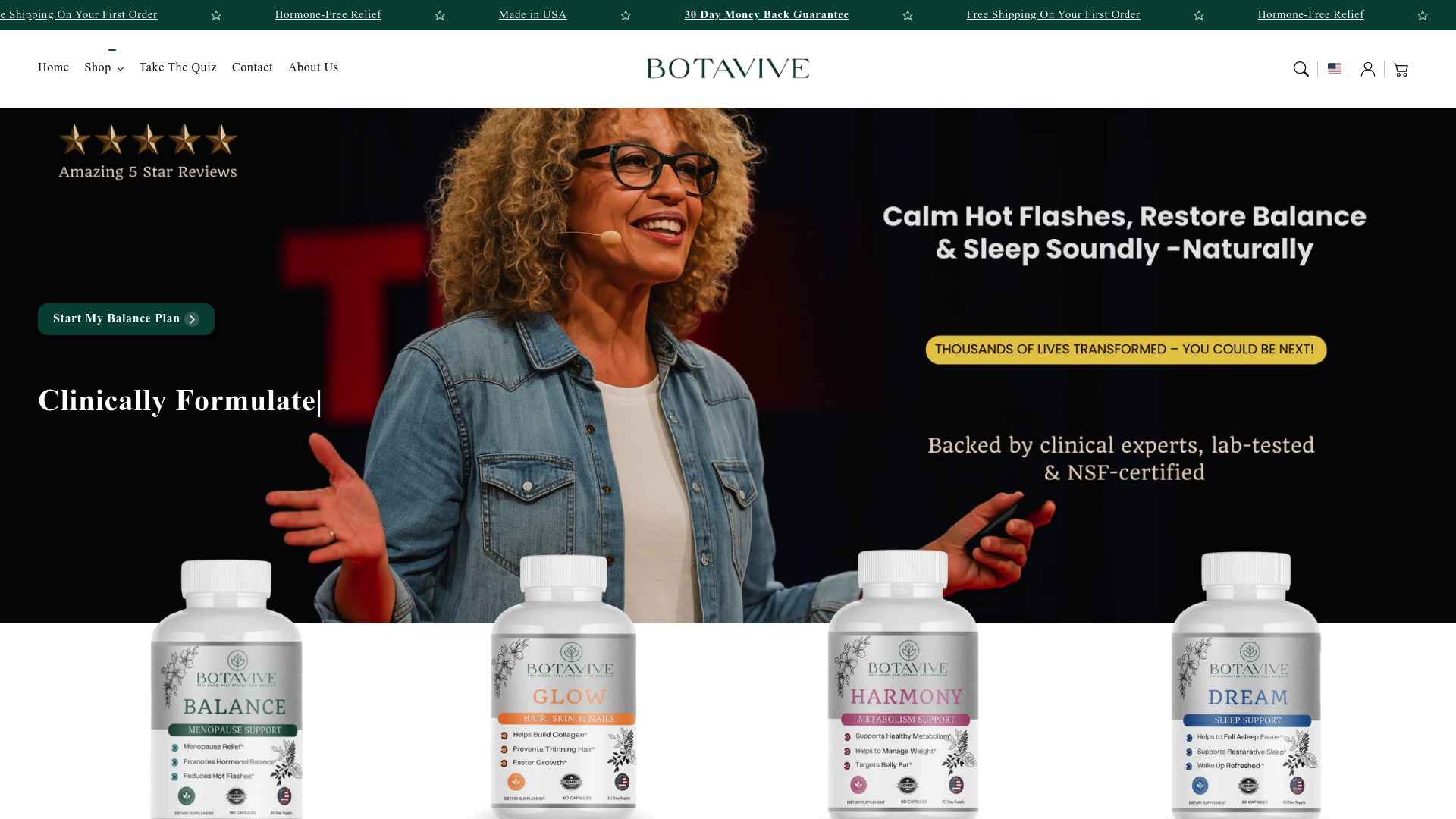
Addressing gut health during menopause requires targeted natural solutions designed specifically for your changing hormonal landscape. Botavive Balance delivers comprehensive menopause support including digestive wellness through carefully selected botanicals and nutrients. Its formula addresses multiple menopause symptoms simultaneously, making it easier to maintain consistent gut health alongside other relief efforts.
For women seeking complete menopausal wellness, the Total Wellness Bundle offers five essential products supporting radiance, balance, and vitality throughout your transition. This comprehensive approach ensures you’re addressing gut health within the context of overall menopausal wellness. When stress impacts your digestion, Botavive Tranquility promotes calm and balance, complementing your gut health efforts through the gut-brain axis.
Combining targeted natural supplements with the dietary and lifestyle strategies outlined in your personalized checklist creates the optimal environment for digestive comfort during menopause.
FAQ
What are the main gut health challenges during menopause?
Hormonal reductions in estrogen and progesterone disrupt gut motility and microbiome balance, leading to digestive symptoms like constipation, bloating, and irregular bowel movements. Research indicates up to 60% of menopausal women experience these gut health challenges as their bodies adjust to changing hormone levels.
Can diet alone manage menopausal digestive symptoms effectively?
A diet rich in prebiotics and fermented foods strongly supports gut health and improves microbial diversity by 10-20%. However, multifaceted approaches that include regular exercise, stress management, and targeted supplements typically provide more robust and faster symptom relief than diet alone.
Which supplements are safest and most effective for menopause-related gut issues?
Probiotic strains like Lactobacillus rhamnosus improve constipation and microbiome balance safely, while ginger and peppermint oil reduce nausea and IBS symptoms effectively with minimal side effects. Always consult your healthcare provider before starting new herbal supplements for menopause gut health, especially if you take medications or have existing health conditions.
How important is lifestyle modification alongside diet and supplements?
Moderate exercise of 150 minutes weekly reduces digestive symptoms by approximately 25%, while stress management supports gut microbiota health and improves motility through the gut-brain axis. Lifestyle changes work synergistically with dietary and supplement interventions, enhancing overall effectiveness and helping maintain long-term digestive wellness during menopause.