

Menopause and hair loss: natural remedies in 2026
Menopausal hair loss affects countless women, but it’s not a life sentence. Hormonal shifts during menopause trigger thinning, yet natural supplements and lifestyle changes can restore hair vitality. You’ll discover science-backed remedies, nutritional strategies, and practical steps to rejuvenate your hair naturally without relying solely on hormone replacement therapy.
Table of Contents
- Introduction To Menopause And Hair Loss
- Hormonal Causes Of Menopausal Hair Loss
- Nutritional And Lifestyle Factors Affecting Hair Health
- Natural Supplements And Remedies For Hair Rejuvenation
- Common Misconceptions About Menopausal Hair Loss
- Comparison Of Natural Treatments For Menopausal Hair Loss
- Practical Guidance For Managing Menopause-Related Hair Loss
- Summary And Next Steps
- Discover Natural Support For Menopause And Hair Health
- Frequently Asked Questions About Menopause And Hair Loss
Key takeaways
| Point | Details |
|---|---|
| Hormonal shifts drive hair loss | Declining estrogen and progesterone disrupt hair follicle cycles, leading to thinning. |
| Natural supplements restore density | Biotin, saw palmetto, and vitamin D support hair regrowth when combined effectively. |
| Nutrition and stress matter | Iron, vitamin D deficiencies and chronic stress worsen hair loss severity. |
| Combination beats single treatments | Using multiple supplements together yields better results than isolated approaches. |
| Regrowth is achievable | Misconceptions about permanence are wrong; natural interventions promote recovery. |
Introduction to menopause and hair loss
Menopause brings profound hormonal changes that ripple through your body, and hair follicles are no exception. Around 40% of menopausal women experience noticeable hair thinning during the transition, making it one of the most common yet distressing symptoms. When estrogen and progesterone levels plummet, your hair’s natural growth cycle shortens, pushing more follicles into premature shedding.
This isn’t just about vanity. Hair loss shakes your confidence and impacts overall wellness. Many women feel invisible or aged beyond their years when their once-thick hair thins visibly. The emotional toll is real, affecting social interactions and self-image.
Understanding the hormonal mechanics behind menopause hair loss empowers you to take control. You’re not powerless against these changes. Natural remedies, targeted supplements, and lifestyle adjustments can reverse thinning and restore hair density.
Key factors driving menopausal hair loss include:
- Estrogen decline shortening the hair growth phase
- Progesterone reduction weakening follicle protection
- Increased androgen activity shrinking hair shafts
- Nutritional deficiencies compounding hormonal effects
- Stress and poor circulation limiting recovery potential
This guide explores each factor in depth, equipping you with actionable strategies to reclaim your hair health naturally.
Hormonal causes of menopausal hair loss
Hormones orchestrate every stage of your hair’s life cycle. During menopause, the balance tips dramatically, and hair follicles pay the price. Estrogen prolongs the anagen (growth) phase of hair follicles, and its decline during menopause leads to earlier follicle regression causing hair thinning. When estrogen drops, follicles spend less time growing and more time shedding.
Progesterone works alongside estrogen to protect hair follicles. As progesterone levels fall, follicles lose their hormonal shield, becoming vulnerable to miniaturization. At the same time, androgens like DHT increase relatively, even if absolute levels stay constant. DHT binds to follicle receptors, shrinking hair shafts over time until they produce only fine, barely visible strands.
This hormonal shift also accelerates the transition to telogen, the resting phase before shedding. Normally, 10-15% of your hair rests at any time. During menopause, that percentage climbs, resulting in noticeable thinning across the scalp, especially at the crown and part line.
“Hormonal imbalance during menopause doesn’t just thin hair—it fundamentally alters the follicle environment, making regrowth harder without intervention.”
Key hormonal mechanisms include:
- Estrogen decline reducing growth phase duration by up to 40%
- Progesterone loss weakening follicle structural support
- Increased DHT causing estrogen decline and follicle miniaturization
- Premature telogen transitions increasing daily shedding
- Altered follicle receptor sensitivity amplifying androgen effects
Understanding these changes clarifies why restoring hormonal balance through natural means can reverse thinning. The role of estrogen in hair growth is critical, and supporting it naturally forms the foundation of effective intervention.
Nutritional and lifestyle factors affecting hair health
Hormones aren't the only culprits behind menopausal hair thinning. Nutritional deficiencies and lifestyle stressors often worsen the issue, turning mild shedding into noticeable loss. Iron deficiency affects up to 30% of women with chronic telogen effluvium, a condition that intensifies during menopause and weakens hair shafts by impairing follicle function. Without enough iron, follicles struggle to produce robust strands, leading to brittle, thinning hair.
Vitamin D is another critical player. Vitamin D deficiency correlates with increased hair loss severity in women, particularly during menopause, where supplementation can improve follicle cycling and health. Many women entering menopause already have suboptimal vitamin D levels, which worsens during winter months or with limited sun exposure.[web: prior context on nutritional deficiencies]
Chronic stress elevates cortisol, a hormone that disrupts the hair growth cycle. High cortisol triggers more follicles to enter telogen prematurely, causing sudden shedding weeks or months later. Stress also constricts blood vessels, reducing nutrient delivery to the scalp.
Poor scalp circulation compounds these issues. When blood flow slows, follicles receive fewer nutrients and oxygen, slowing regrowth even after shedding stabilizes. Gentle scalp massage, regular movement, and certain herbal supplements can improve circulation naturally.
Addressing hair skin and nail changes in menopause requires a holistic approach. Nutrition and lifestyle interventions amplify the effects of supplements, creating synergy that single treatments can’t match.
Key nutritional and lifestyle factors:
- Iron deficiency and female hair loss affecting follicle function
- Vitamin D and hair loss recovery supporting immune and follicle health
- Chronic stress and cortisol disrupting hair cycles
- Poor scalp circulation limiting nutrient delivery
- Inadequate protein intake weakening hair structure
Improving these factors doesn’t just support hair health. It enhances energy, mood, and overall wellness during menopause.
Natural supplements and remedies for hair rejuvenation
Natural supplements offer science-backed support for menopausal hair regrowth without pharmaceutical side effects. Biotin supplementation improves hair thickness and volume in women with thinning hair, including menopausal cases, over 3-6 months at doses around 2.5-5 mg daily. Biotin, a B vitamin, supports keratin production—the protein forming hair's structural foundation—helping rebuild weakened shafts and boost density with consistent use

Saw palmetto acts as a potent DHT blocker by inhibiting the 5-alpha-reductase enzyme. Saw palmetto inhibits 5-alpha-reductase enzyme, reducing dihydrotestosterone (DHT) levels that contribute to menopausal hair follicle miniaturization. By lowering DHT exposure, it protects follicles from androgen-driven shrinkage, allowing them to recover and produce thicker hair.
Vitamin D supplementation addresses widespread deficiencies. Since vitamin D receptors exist in hair follicles, correcting low levels restores follicle function and supports immune health, which indirectly benefits hair regrowth.
Ginseng has traditional uses for improving circulation and vitality. Certain herbal supplements like ginseng may improve scalp circulation, supporting hair follicle nourishment during menopause. Better blood flow delivers more nutrients to follicles, accelerating their recovery and growth.
Combining these supplements produces synergistic effects. Women using multi-ingredient natural supplements for menopausal hair loss report better outcomes in hair density and reduced shedding than those relying on single treatments. Powerful herbal blends targeting hormonal balance and DHT also indirectly support follicle recovery during menopause.
Powerful herbs for menopause relief also support overall hormonal balance, indirectly benefiting hair health.
Pro Tip: Consistency matters more than dosage increases. Taking moderate doses daily for 3-6 months outperforms sporadic high doses. Pair supplements with proper nutrition and stress management for maximum impact.
Key natural supplements:
- Biotin efficacy study showing thickness improvement
- Saw palmetto and hair loss reducing DHT by 32%
- Vitamin D correcting deficiencies and supporting follicle health
- Ginseng and scalp circulation enhancing nutrient delivery
- Combined formulas like Botavive Glow hair skin and nails delivering multiple active ingredients
These remedies work best when integrated into a broader wellness strategy, not used as isolated quick fixes.
Common misconceptions about menopausal hair loss
Myths around menopausal hair loss prevent many women from seeking effective natural treatments. The biggest misconception is that thinning is permanent and irreversible. In reality, with the right interventions, regrowth is possible. Follicles miniaturize but rarely die completely, meaning they can recover with hormonal and nutritional support.
Another myth claims HRT is the only real solution. Hormone replacement therapy (HRT) is often viewed as the primary solution to menopausal hair loss, but many women prefer natural supplements due to safety concerns and side-effect risks. Over 60% of menopausal women avoid HRT, seeking natural alternatives instead. Natural supplements offer meaningful results without the increased risks of blood clots, stroke, or breast cancer linked to HRT.[
Some believe hair loss is purely hormonal, ignoring the multifactorial nature. While hormones play a major role, nutrition, stress, and circulation also significantly impact severity and recovery. Addressing only one factor limits outcomes.
False beliefs delay action. Women resigned to permanent thinning miss the window when natural interventions are most effective. Early intervention produces better results, but even long-standing thinning can improve with consistent effort.
Clarifying these myths empowers you to make informed decisions about managing menopause hair loss holistically.
Common misconceptions:
- Menopausal hair loss is permanent and irreversible
- HRT is the only effective treatment option
- Hair loss is purely hormonal with no nutritional factors
- Supplements don’t work without pharmaceutical support
- Visible results should appear within weeks
Understanding the truth opens doors to safe, effective natural treatments that align with your wellness values. Natural remedies versus HRT preferences show most women favor natural approaches when properly informed.
Comparison of natural treatments for menopausal hair loss
Choosing the right natural treatment requires understanding each option’s strengths, mechanisms, and safety profiles. Combining saw palmetto with biotin and vitamin D produces better hair density improvements than using any single supplement alone, with studies showing up to 25% gains over six months. Multi-ingredient formulas targeting DHT, nutrition, and follicle health outperform isolated remedies during menopause.

| Treatment | Mechanism | Efficacy | Safety | Best For |
|---|---|---|---|---|
| Saw Palmetto | Inhibits DHT production | High for androgen-driven loss | Very safe, rare mild GI effects | Women with miniaturization patterns |
| Biotin | Supports keratin synthesis | Moderate alone, high combined | Extremely safe | Thinning with weak, brittle hair |
| Vitamin D | Supports follicle and immune health | Moderate, corrects deficiency | Safe with monitoring | Deficient women with diffuse thinning |
| Ginseng | Improves scalp circulation | Low to moderate evidence | Generally safe, avoid with stimulants | Women seeking circulation boost |
| Combined Formula | Multi-pathway support | Highest overall | Safe when properly formulated | Most menopausal hair loss cases |
Saw palmetto targets the hormonal root by blocking DHT, making it ideal for women experiencing androgenic miniaturization patterns. It’s safe with rare mild digestive effects.
Biotin works best when combined with other treatments. Alone, its efficacy is moderate, but paired with DHT blockers and vitamin D, it significantly improves hair thickness and strength.
Vitamin D is essential for women with confirmed deficiencies. Supplementation should be monitored to avoid toxicity, but within safe ranges, it robustly supports follicle health.
Ginseng’s traditional benefits for circulation are promising but lack extensive clinical data specific to menopausal hair loss. It complements other treatments well.
Combined formulas deliver synergistic benefits, addressing multiple pathways simultaneously. Best supplements comparison highlights that multi-ingredient products outperform single supplements consistently. The natural supplements comparison study confirms this advantage.
Tailoring your choice to your specific hair loss pattern and nutritional status maximizes results. Testing for deficiencies before starting supplementation ensures you address real gaps, not perceived ones.
Practical guidance for managing menopause-related hair loss
Taking action starts with assessment. Before starting supplements, identify hormonal and nutritional gaps through bloodwork. Testing iron, vitamin D, and thyroid function reveals deficiencies that worsen hair loss. Addressing these first creates a foundation for supplements to work effectively.
Combine biotin, vitamin D, and saw palmetto for comprehensive support. These three target different pathways: keratin production, follicle health, and DHT reduction. Together, they produce better outcomes than any single treatment.
Adopt stress reduction practices. Chronic stress sabotages even the best supplement regimen. Simple daily habits like deep breathing, walking, or yoga lower cortisol and improve hair cycle stability. Prioritizing sleep also supports hormonal balance.
Promote scalp circulation through gentle massage. Spend five minutes daily massaging your scalp with fingertips, using light pressure in circular motions. This stimulates blood flow, enhancing nutrient delivery to follicles.
Set realistic expectations. Over 60% of menopausal women avoid HRT and seek natural alternatives for hair loss management, but visible improvement takes time. Most women notice changes within 3-6 months, not weeks. Early results include reduced shedding, followed gradually by increased density.
Consult a healthcare provider to tailor interventions and monitor progress. Professional guidance ensures you’re using safe dosages and addressing underlying issues like thyroid dysfunction that mimic menopausal hair loss.
Pro Tip: Track progress with photos taken in consistent lighting every month. Hair regrowth is gradual, and monthly photos reveal changes your mirror might miss, keeping you motivated through the waiting period.
Step-by-step action plan:
- Get bloodwork to assess iron, vitamin D, and thyroid levels.
- Start recommended supplement combinations with biotin, vitamin D, and saw palmetto.
- Adopt stress reduction techniques like daily walks or meditation.
- Massage your scalp for five minutes daily to boost circulation.
- Document progress with monthly photos in consistent lighting.
- Consult your provider if hair loss worsens or persists beyond six months.
This structured approach integrates natural hair loss solutions with lifestyle changes, maximizing your chances of meaningful regrowth. Natural remedies preference statistics show most women succeed with this holistic model when they commit consistently.
Summary and next steps
Menopausal hair loss stems primarily from hormonal shifts, particularly estrogen and progesterone decline, combined with nutritional deficiencies and lifestyle stressors. Natural supplements like biotin, saw palmetto, and vitamin D offer evidence-based support for hair regrowth when used consistently and in combination.
Misconceptions about permanence and the necessity of HRT should not deter you from pursuing natural approaches. Most women prefer natural remedies for safety and effectiveness, and clinical evidence supports their use.
Your next steps:
- Assess your hormonal and nutritional status through testing
- Start evidence-backed supplements targeting multiple pathways
- Integrate stress management and scalp circulation practices
- Maintain patience and consistency for 3-6 months minimum
- Seek professional advice if hair loss persists or worsens
Regrowth is achievable with the right knowledge and commitment. You’re not powerless against menopausal hair loss. Natural interventions restore hair density and confidence when approached holistically.
Discover natural support for menopause and hair health
Navigating menopause doesn’t mean accepting hair loss as inevitable. Botavive offers targeted natural supplements formulated specifically for menopausal symptom relief and hair rejuvenation.
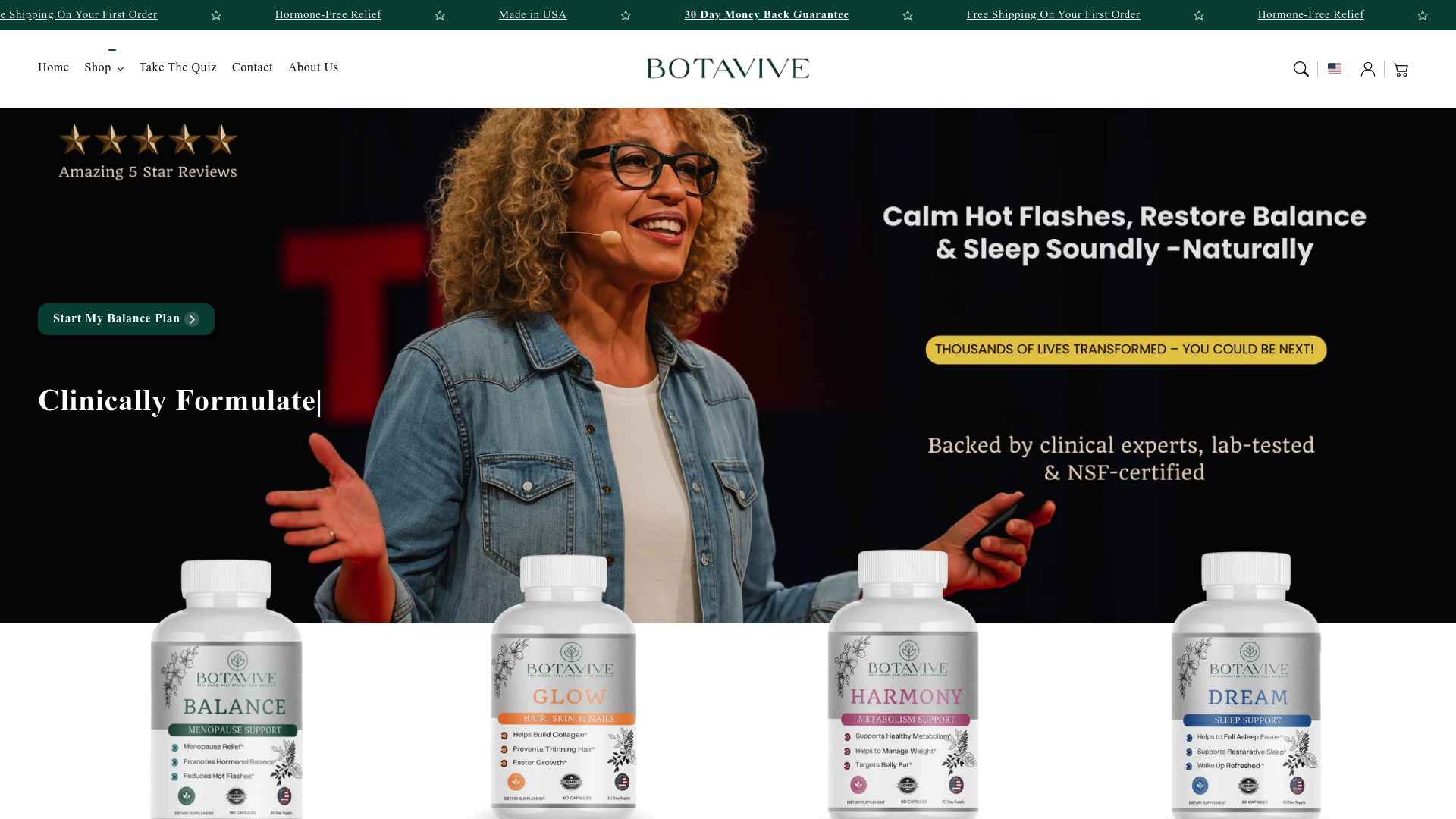
Botavive Glow hair skin and nails delivers clinically inspired ingredients supporting hair thickness, skin vitality, and nail strength. It combines biotin, vitamin D, and herbal extracts in a convenient daily formula.
For comprehensive menopause support, Botavive Balance multi symptom relief addresses multiple symptoms including hair thinning, hot flashes, and mood changes. It’s designed for women seeking natural alternatives to HRT.
Explore Botavive home page to discover how these products complement the lifestyle and supplement strategies covered in this guide. Natural wellness solutions tailored for your menopausal journey are within reach.
Frequently asked questions about menopause and hair loss
How long does it take to see results from natural supplements?
Most women notice reduced shedding within 6-8 weeks, with visible density improvements appearing after 3-6 months of consistent use. Hair grows slowly, about half an inch per month, so patience is essential. Early signs include less hair in your brush and shower drain before you see fuller coverage.
Can I use natural supplements if I’m already on HRT?
Yes, natural supplements like biotin and vitamin D are generally safe to combine with HRT. However, consult your healthcare provider before adding saw palmetto or other herbal supplements, as they may interact with hormone therapy. Your provider can tailor a safe, effective regimen.
Are there any side effects from combining multiple hair loss supplements?
When used at recommended dosages, biotin, vitamin D, and saw palmetto have excellent safety profiles with minimal side effects. Rare mild effects include digestive upset or headaches. Avoid exceeding recommended doses, and choose reputable brands to ensure quality and purity.
What should I do if natural remedies don’t work after six months?
If hair loss persists or worsens despite consistent natural interventions, consult a dermatologist or endocrinologist. Underlying conditions like thyroid disorders, autoimmune alopecia, or severe nutritional deficiencies may require medical treatment beyond supplements. Professional evaluation ensures you’re addressing the root cause.
Is menopausal hair loss different from regular aging hair thinning?
Yes, menopausal hair loss is driven primarily by rapid hormonal changes, while aging-related thinning is more gradual. Menopause accelerates follicle miniaturization and increases shedding rates due to estrogen and progesterone decline. Addressing hormonal factors can reverse or slow menopausal thinning more effectively than age-related changes.