

Does menopause cause hair loss? Manage symptoms in 2026
Up to 40% of women experience hair loss by age 50, often triggered by menopause. This condition feels isolating, but you’re not alone. Hormonal shifts during menopause disrupt hair growth cycles, causing thinning that affects confidence and self-image. This guide explains why menopause impacts your hair, what symptoms to watch for, and how to manage thinning effectively with natural remedies and medical treatments.
Table of Contents
- Introduction To Menopause And Hair Changes
- How Menopause Causes Hair Loss: Hormonal Mechanisms
- Symptoms And Patterns Of Menopausal Hair Loss
- Common Misconceptions About Menopausal Hair Loss
- Impact Of Nutrition, Stress, And Health On Menopausal Hair Loss
- Treatment Options: Natural Remedies And Medical Interventions
- Practical Tips And Prevention Strategies
- Conclusion: Navigating Hair Loss During Menopause
- Explore Botavive Solutions For Menopausal Hair Health
- Frequently Asked Questions
Key takeaways
| Point | Details |
|---|---|
| Hormonal changes drive thinning | Declining estrogen and rising androgens shrink follicles and shorten growth phases. |
| Symptoms are diffuse, not patchy | Thinning occurs at the crown and part line, rarely causing complete baldness. |
| Nutrition and stress matter | Iron deficiency, thyroid issues, and high cortisol worsen hair loss significantly. |
| Treatments work when combined | FDA-approved minoxidil plus natural remedies and lifestyle changes improve density. |
| Early action improves outcomes | Recognizing symptoms early and seeking help prevents progression and boosts confidence. |
Introduction to menopause and hair changes
Menopause marks the end of your menstrual cycle, typically around age 50. It brings major hormonal shifts, especially a sharp decline in estrogen levels. These changes affect multiple body systems, including your hair follicles.
Hair changes during menopause are surprisingly common. You might notice your hair feels thinner, changes texture, or sheds more than usual. Approximately 40% of women experience noticeable hair loss by age 50, primarily linked to hormonal fluctuations. Understanding these changes prepares you to take proactive steps.
Common hair changes during menopause include:
- Thinning hair density, especially at the crown and top of the scalp
- Wider part lines that become more visible over time
- Increased daily shedding, with more hair in your brush or shower drain
- Changes in hair texture, becoming finer or more brittle
- Slower hair regrowth after shedding
Recognizing these patterns early helps you address menopause hair loss before it progresses. The next sections explain the biological reasons behind these changes and what you can do about them.
How menopause causes hair loss: hormonal mechanisms
Your hair health depends heavily on balanced hormones. During menopause, estrogen levels drop sharply while androgen levels rise relatively. This hormonal shift creates the perfect storm for hair thinning.
Estrogen supports longer hair growth cycles by extending the anagen phase, when hair actively grows. When estrogen declines, the growth phase shortens, producing thinner, shorter, and more brittle strands. Your follicles spend less time growing hair and more time resting or shedding.
Meanwhile, androgens like testosterone and DHT contribute to follicle miniaturization. DHT binds to follicle receptors, gradually shrinking them over time. Miniaturized follicles produce progressively finer hair until they eventually stop producing visible hair altogether.
This process drives female pattern hair loss, characterized by diffuse thinning across the scalp. Unlike male pattern baldness with distinct bald spots, women experience overall volume reduction, particularly noticeable at the crown and along part lines.
Hormonal changes and hair impact:
| Hormone | Menopausal Change | Effect on Hair |
|---|---|---|
| Estrogen | Sharp decline | Shortens growth phase, reduces strand thickness |
| Testosterone | Relative increase | Converts to DHT, shrinks follicles |
| DHT | Increases | Miniaturizes follicles, produces finer hair |
| Progesterone | Decreases | Reduces protective effects against androgens |
Understanding these mechanisms helps you choose treatments that target specific hormonal pathways. For instance, addressing estrogen decline and follicle miniaturization requires different approaches than managing stress-related shedding.
Pro Tip: Tracking your hair changes in a journal helps identify patterns and measure treatment effectiveness. Note shedding frequency, texture changes, and scalp health monthly.
Symptoms and patterns of menopausal hair loss
Menopausal hair loss looks different from other types of hair loss. Recognizing specific patterns helps you identify the condition early and seek appropriate treatment.
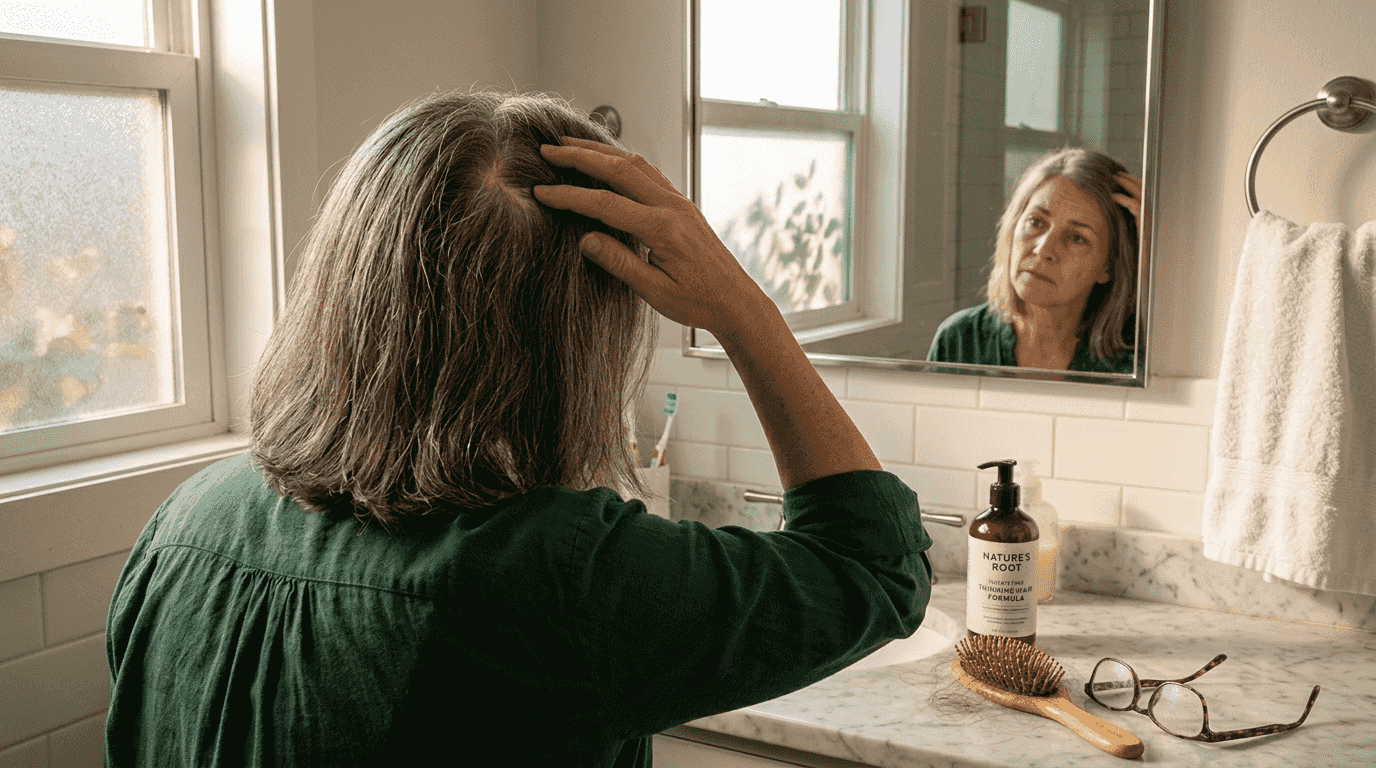
The most common presentation is diffuse thinning. Rather than developing bald patches, you’ll notice hair thinning mainly at the crown and along your part line. Your ponytail might feel thinner, or you might see more scalp through your hair when styling.
Typical symptoms include:
- Gradual volume loss across the entire scalp, not just one area
- Widening part lines that reveal more scalp skin
- Increased daily shedding, often 100-150+ hairs per day
- Finer hair texture that lacks previous thickness
- Slower regrowth, with gaps taking longer to fill in
- Reduced hair density when wet or pulled back
Female pattern hair loss affects roughly 50% of women after menopause. The condition progresses gradually over months or years, not overnight. Early recognition allows you to start natural solutions for hair loss during menopause before follicle damage becomes permanent.
Pay attention to menopausal hair thinning symptoms like changes in styling ease. If your usual hairstyle suddenly looks flat or thin, that’s often an early warning sign. Understanding normal versus concerning hair thinning and shedding helps you decide when to seek professional evaluation.
Common misconceptions about menopausal hair loss
Misunderstandings about menopausal hair loss create unnecessary anxiety. Clearing up these myths helps you set realistic expectations and make informed decisions.
Myth 1: Menopause causes complete baldness. Menopause does not cause complete baldness. Women experience diffuse thinning without true bald spots. Your hair becomes less dense, but complete hair loss is extremely rare from hormonal changes alone.
Myth 2: Hair loss is purely hormonal. While hormones play a major role, multiple factors contribute. Genetics, nutrition, stress levels, and underlying health conditions all influence severity. Treating menopause hair loss requires addressing these combined factors, not just hormones.
Myth 3: Nothing can be done about it. Many effective treatments exist, from FDA-approved medications to natural remedies and lifestyle modifications. Taking action often improves hair density and slows progression significantly.
Myth 4: Hair loss isn’t emotionally significant. Hair loss significantly impacts self-esteem, increasing anxiety and depression risk. The psychological effects are real and deserve acknowledgment and support. Seeking help isn’t vanity; it’s self-care.
Key facts to remember:
- Hair thinning varies dramatically between individuals
- Genetic predisposition influences your specific pattern and severity
- Treatment responses differ, requiring personalized approaches
- Emotional support is as important as physical treatment
Understanding these realities helps you approach hair loss with balanced expectations. You can improve your situation without expecting miracle transformations overnight.
Impact of nutrition, stress, and health on menopausal hair loss
Menopause doesn’t act alone in causing hair loss. Lifestyle factors significantly influence how severely hormonal changes affect your hair.
Nutritional deficiencies worsen menopausal hair thinning. Iron deficiency, hypothyroidism, and nutrient imbalances are particularly common in menopausal women and directly degrade hair quality. Low iron reduces oxygen delivery to follicles, while thyroid dysfunction slows metabolism and growth cycles.
Stress creates its own hair loss pathway. Elevated cortisol triggers telogen effluvium, pushing more follicles into the resting phase simultaneously. When these hairs shed together weeks later, you notice dramatic thinning. Chronic stress compounds hormonal imbalances, accelerating menopausal hair loss.
Nutritional and health factors comparison:
| Factor | Impact on Hair | Prevention Strategy |
|---|---|---|
| Iron deficiency | Reduces oxygen to follicles, slows growth | Eat iron-rich foods, consider supplementation |
| Low protein | Weakens hair structure, increases breakage | Consume adequate protein daily (0.8g per kg) |
| Vitamin D deficiency | Impairs follicle cycling | Get sunlight exposure, supplement if needed |
| Thyroid imbalance | Disrupts growth cycles, causes brittleness | Regular thyroid screening, medication if needed |
| Chronic stress | Triggers excessive shedding | Practice stress management techniques |
| Poor hydration | Dries scalp and hair | Drink 8+ glasses water daily |
A balanced diet supports hair growth from within. Focus on protein, iron, zinc, biotin, and omega-3 fatty acids. These nutrients provide building blocks for healthy hair production. Learn more about how nutrition and stress impact hair during menopause.

Consider supplements for menopausal hair loss after consulting your healthcare provider. Blood tests identify specific deficiencies requiring targeted supplementation. Explore comprehensive menopause hair loss prevention strategies combining nutrition, stress management, and medical care.
Pro Tip: Keep a food and symptom diary for two weeks. Track what you eat alongside hair shedding and energy levels to identify potential nutritional gaps affecting your hair.
Treatment options: natural remedies and medical interventions
Effective management combines medical treatments with natural approaches. Multiple options exist, each working through different mechanisms to improve hair health.
Medical treatments: Topical minoxidil 2% is FDA-approved for women’s hair loss. It works by prolonging the anagen growth phase and increasing blood flow to follicles. Apply it directly to your scalp twice daily for best results.
Expect an initial shedding phase when starting minoxidil. This temporary increase occurs as resting hairs fall out to make room for new growth. The shedding usually resolves within 2-4 weeks, followed by gradual improvement over 3-6 months.
Natural remedies: Scalp massage with essential oils supports circulation and follicle health. Rosemary oil, peppermint oil, and lavender oil show promise in small studies. Massage improves blood flow, delivering more nutrients and oxygen to your follicles.
Other natural approaches include:
- Saw palmetto supplements, which may block DHT naturally
- Biotin and collagen supplements to strengthen hair structure
- Green tea extract for antioxidant protection
- Scalp exfoliation to remove buildup and improve product absorption
- Gentle hair care practices avoiding heat damage and harsh chemicals
Explore natural remedies for menopausal hair loss that complement medical treatments. The 2026 natural menopause hair loss remedies guide provides updated approaches based on recent research.
Lifestyle factors: Diet quality, stress management, and sleep hygiene significantly influence treatment success. No topical treatment works optimally if your body lacks essential nutrients or operates under chronic stress. Learn to manage menopause symptoms naturally for holistic improvement.
Pro Tip: Take progress photos monthly in the same lighting and hairstyle. Visual documentation helps track subtle improvements that daily observation might miss.
Combining medical and natural strategies provides the best outcomes. Consult your healthcare provider before starting new treatments, especially if you take medications or have underlying health conditions.
Practical tips and prevention strategies
Daily habits profoundly impact hair health during menopause. Small consistent changes accumulate into significant improvements over time.
Gentle hair care: Switch to sulfate-free shampoos and silicone-free conditioners. Harsh detergents strip natural oils, leaving hair dry and prone to breakage. Limit heat styling to once or twice weekly, always using heat protectant products first.
Scalp health: Massage your scalp for 5 minutes daily. Use fingertips in circular motions to stimulate blood flow and distribute natural oils. Healthy scalp conditions support stronger hair growth.
Stress management: Incorporate stress-reduction techniques into your routine:
- Practice meditation or deep breathing for 10 minutes daily
- Exercise regularly, aiming for 30 minutes most days
- Prioritize sleep, targeting 7-8 hours nightly
- Connect with supportive friends and family
- Consider yoga or tai chi for mind-body balance
Managing overall menopause symptoms naturally reduces the stress burden on your body, benefiting hair health indirectly.
Nutritional support: Follow a balanced diet rich in:
- Lean proteins like fish, chicken, legumes, and eggs
- Iron sources including red meat, spinach, and fortified cereals
- Omega-3 fatty acids from salmon, walnuts, and flaxseeds
- Colorful vegetables and fruits for antioxidants
- Whole grains for B vitamins and fiber
A menopause diet plan tailored to hormonal changes supports both weight management and hair health. Proper nutrition provides the raw materials your body needs for hair production.
Protective styling: Avoid tight hairstyles that pull on follicles. Traction from ponytails, braids, or buns can worsen thinning. Opt for loose styles that minimize tension on your scalp.
Consistency matters: Stick with your chosen approach for at least 3-6 months before evaluating effectiveness. Hair growth cycles are slow, requiring patience to see results. Track changes in a journal to maintain motivation.
Conclusion: navigating hair loss during menopause
Menopausal hair loss stems primarily from hormonal shifts, but nutrition, stress, and genetics also play crucial roles. Understanding these multiple factors empowers you to take comprehensive action rather than feeling helpless.
Debunking myths about permanent baldness and untreatable conditions opens the door to effective management. Combining FDA-approved treatments like minoxidil with natural remedies, nutritional support, and stress reduction creates a powerful multi-pronged approach.
Early intervention matters. Recognizing symptoms quickly and seeking appropriate help prevents progression and preserves more follicles. The emotional impact of hair loss deserves acknowledgment and support, whether through professional counseling, support groups, or trusted friends.
You have options. Take action today with realistic expectations, patience, and commitment to ongoing care. Your hair health can improve with the right strategies.
Explore Botavive solutions for menopausal hair health
Navigating menopausal hair loss becomes easier with targeted nutritional support. Botavive offers natural supplement solutions formulated specifically for women over 40 experiencing hormonal changes.

The Botavive Glow hair skin and nails formula combines biotin, collagen, and essential vitamins to support hair rejuvenation from within. This supplement addresses nutritional gaps that worsen menopausal thinning, providing your follicles with the building blocks they need for healthier growth.
For comprehensive hormonal balance support, consider Berberine 1200mg HCL blend. Berberine supports metabolic health and may help balance hormones that influence hair quality during menopause.
These natural supplements complement the lifestyle changes and medical treatments discussed throughout this guide. Visit Botavive’s product pages to explore how targeted nutritional support can enhance your hair health journey during menopause.
Frequently asked questions
Does menopause cause permanent hair loss?
Menopausal hair loss typically involves diffuse thinning rather than permanent baldness. With appropriate treatment combining medical interventions, natural remedies, and lifestyle changes, many women see improvement in hair density and quality. The key is starting treatment early before follicle miniaturization becomes irreversible.
When should I see a doctor about hair loss during menopause?
Consult a healthcare professional if you experience sudden hair loss, patchy bald spots, or shedding accompanied by scalp pain or redness. These symptoms may indicate conditions beyond normal menopausal changes. Medical evaluation including blood tests can rule out thyroid disorders, autoimmune conditions, or nutritional deficiencies requiring specific treatment.
Are natural remedies effective for menopausal hair loss?
Natural remedies like scalp massage, essential oils, and nutritional supplements can support scalp health and provide follicles with necessary nutrients. However, they work best when combined with proven medical treatments like minoxidil. Consistency and realistic expectations improve outcomes. Natural approaches offer valuable complementary support rather than standalone solutions for significant thinning.
Can stress worsen hair loss during menopause?
Yes, chronic stress significantly worsens menopausal hair loss. Elevated cortisol levels trigger telogen effluvium, causing excessive shedding by pushing more follicles into the resting phase simultaneously. Managing stress through exercise, meditation, adequate sleep, and relaxation techniques is essential for reducing hair loss severity and supporting overall menopausal health.