

Foods to avoid during menopause for symptom relief
Did you know caffeine can increase hot flashes by 60% during menopause? Your daily coffee or evening wine might be worsening symptoms you’re struggling to control. Many women receive contradictory nutritional guidance about what to eat or avoid during this transition. This article clarifies which foods scientifically worsen menopausal symptoms like hot flashes, mood swings, and weight gain, empowering you to make informed dietary choices that improve your quality of life
Table of Contents
- How To Choose What Foods To Avoid During Menopause
- Caffeine And Alcohol: Stimulants To Limit
- Sugary And Processed Foods: Impact On Mood And Metabolism
- Processed And High-Sodium Foods: Cardiovascular Risks
- Unhealthy Fats And Inflammation: Foods To Avoid
- Spicy Foods And Symptom Flare-Ups
- Meats And Inflammatory Effects
- Summary Comparison And Practical Recommendations
- Discover Natural Support To Complement Your Dietary Changes
Key takeaways
| Point | Details |
|---|---|
| Caffeine and alcohol trigger vasomotor symptoms | Both significantly increase hot flash frequency and disrupt sleep quality in menopausal women. |
| Sugary and processed foods destabilize metabolism | These foods worsen mood swings, promote insulin resistance, and cause measurably more weight gain. |
| High sodium and unhealthy fats elevate health risks | Processed foods rich in salt and trans fats increase cardiovascular danger and systemic inflammation. |
| Spicy foods and red meat intensify symptoms | About 30% of women experience worsened hot flashes from spicy foods, while red meat raises inflammatory markers. |
| Strategic food avoidance reduces symptom severity | Eliminating or limiting these trigger foods demonstrably improves menopausal wellness and comfort. |
How to choose what foods to avoid during menopause
Identifying which foods to eliminate starts with understanding how dietary choices directly affect your symptoms. The most effective approach uses clear, science-based criteria rather than following generic advice that may not address your specific challenges.
Consider these key factors when evaluating foods:
- Symptom severity impact on hot flashes, night sweats, mood swings, and weight gain
- Inflammatory potential and hormonal interactions that worsen menopausal changes
- Cardiovascular risks and effects on sleep quality and energy levels
- Personal symptom patterns tracked through a food diary over two to four weeks
- Practicality of dietary changes and availability of satisfying alternatives
Your body’s response to specific foods varies based on individual hormone fluctuations and metabolic differences. What triggers severe hot flashes in one woman might cause minimal issues in another. Tracking your symptoms alongside food intake reveals personalized patterns that generic guidelines miss.
Starting with powerful herbs for menopause relief and managing menopause symptoms naturally creates a foundation for dietary improvements. Women concerned about blood sugar fluctuations should also explore berberine menopause blood sugar support alongside food modifications.
Pro Tip: Keep a simple symptom journal for three weeks, noting what you eat and any hot flashes, mood changes, or sleep disruptions within four hours. Patterns typically emerge by week two, guiding which foods deserve elimination first.
The menopause nutrition guide offers additional context on nutrient-dense alternatives that support hormonal balance while you remove problematic foods.
Caffeine and alcohol: stimulants to limit
Caffeine and alcohol stand out as primary dietary triggers that significantly worsen vasomotor symptoms. Research shows caffeine increases hot flash frequency by 60%, making it one of the most impactful foods to reduce during menopause.
Alcohol creates similar problems through different mechanisms. It disrupts thermoregulation and sleep architecture, raising hot flash occurrence by approximately 50%. Evening wine consumption particularly interferes with restorative sleep, leaving you exhausted and more vulnerable to daytime symptoms.
Both substances act as stimulants that destabilize your already fluctuating hormonal system:
- Caffeine triggers immediate vasodilation, causing rapid onset hot flashes within 30 to 90 minutes
- Alcohol metabolizes into acetaldehyde, which dilates blood vessels and generates heat sensations
- Both interfere with estrogen metabolism, potentially prolonging symptom duration
- Caffeine’s effects appear more immediate, while alcohol impacts sleep quality for six to eight hours
- Even moderate consumption of two cups of coffee or one glass of wine daily can significantly increase symptom frequency
Reducing caffeine and alcohol intake represents one of the fastest, most effective dietary interventions for immediate hot flash relief without medication.
Consider switching to herbal teas or decaffeinated alternatives if you enjoy warm beverages. Many women find that eliminating afternoon caffeine while keeping a single morning cup strikes an acceptable balance. For comprehensive strategies, review menopause symptom management tips that complement stimulant reduction.
The caffeine effects research provides detailed mechanisms explaining why even small amounts trigger disproportionate responses during menopause compared to earlier life stages.
Sugary and processed foods: impact on mood and metabolism
High sugar and processed food consumption creates a cascading effect on both psychological and metabolic health during menopause. Studies demonstrate that sugar intake worsens mood swings and insulin resistance in menopausal women, with insulin resistance markers increasing by 25% compared to women eating whole foods.

Processed snacks and refined carbohydrates cause measurably worse outcomes than natural fat sources. Women consuming primarily processed foods experience 15% more weight gain over six months compared to those eating equivalent calories from nuts, avocados, and olive oil.
These foods destabilize your system through multiple pathways:
- Rapid blood sugar spikes followed by crashes intensify irritability and fatigue
- Processed ingredients promote insulin resistance, making menopausal weight gain harder to control
- Added sugars fuel inflammation that exacerbates joint pain and other symptoms
- Artificial additives and preservatives may interfere with already disrupted hormone signaling
- Empty calories displace nutrient-dense foods your body needs for hormonal balance
| Food Type | Insulin Resistance Impact | Weight Gain (6 months) | Mood Stability |
|---|---|---|---|
| Sugary snacks/desserts | +25% markers | +15% vs. natural fats | Significantly worse |
| Processed packaged foods | +20% markers | +12% vs. whole foods | Moderately worse |
| Refined carbohydrates | +18% markers | +10% vs. complex carbs | Moderately worse |
| Natural fats (nuts, avocado) | Baseline | Baseline | Stable |
Replacing cookies, chips, and sweetened beverages with whole food alternatives supports both metabolic and psychological stability. Choose berries with Greek yogurt instead of ice cream, or vegetable sticks with hummus rather than crackers.
Pro Tip: Read ingredient labels carefully because “healthy” marketed foods often contain hidden sugars. Anything ending in “ose” (glucose, fructose, maltose) or listing sugar within the first three ingredients should be limited.
Understanding menopause weight gain causes and exploring natural menopause weight loss strategies helps address the metabolic changes that make sugar particularly problematic during this transition. The sugar and menopause mood research offers deeper insights into biochemical mechanisms.
Processed and high-sodium foods: cardiovascular risks
Sodium sensitivity increases during menopause, making processed foods particularly dangerous for cardiovascular health. Consuming more than 2,300 mg of sodium daily raises blood pressure by approximately 5 mmHg in menopausal women, a significantly larger impact than in younger populations.
Decreasing estrogen levels reduce your natural cardiovascular protection, making salt-induced hypertension more likely and more severe. Processed foods deliver the majority of excess sodium in typical American diets, often hidden in unexpected sources like bread, cheese, and canned soups.
Key cardiovascular concerns include:
- Processed foods contain 75% of dietary sodium intake, far exceeding fresh food sources
- Menopausal hormonal changes increase salt sensitivity by approximately 30%
- Elevated blood pressure compounds other menopausal cardiovascular risks like changing cholesterol profiles
- Sodium promotes water retention, worsening bloating and weight fluctuations common during this transition
- Restaurant meals and packaged convenience foods often contain 1,500 to 2,500 mg sodium per serving
Choosing fresh, whole foods naturally reduces sodium intake while increasing beneficial nutrients like potassium that support healthy blood pressure. Cooking at home with herbs and spices for flavor instead of salt makes a measurable difference within two to three weeks.
Focus on vegetables, fruits, whole grains, and lean proteins prepared simply. When buying packaged items, select products with less than 140 mg sodium per serving. This approach aligns with comprehensive holistic menopause relief strategies that address multiple symptom pathways simultaneously.

Unhealthy fats and inflammation: foods to avoid
Saturated and trans fats drive systemic inflammation that worsens joint pain, cardiovascular risks, and overall symptom severity during menopause. Research indicates that consuming saturated fats above 10% of total calories raises C-reactive protein (CRP) inflammation markers by 30%.
Trans fats found in partially hydrogenated oils create even worse outcomes. These artificial fats promote inflammation throughout your body, intensifying menopausal symptoms from hot flashes to mood disturbances while accelerating cardiovascular disease risk.
Inflammation impacts during menopause:
- Elevated CRP correlates directly with increased hot flash frequency and severity
- Inflammatory processes worsen joint stiffness and pain that many women experience
- Trans fats interfere with cell membrane function, potentially disrupting hormone receptor sensitivity
- Saturated fat intake above recommended levels raises LDL cholesterol more dramatically in menopausal women
- Chronic inflammation accelerates bone density loss and cognitive decline risks
Replacing just 5% of calories from saturated fats with unsaturated fats from sources like olive oil, nuts, and fatty fish reduces inflammation markers by 15% to 20% within eight weeks.
Focus on Mediterranean-style eating patterns rich in omega-3 fatty acids and monounsaturated fats. Limit red meat, full-fat dairy, butter, and anything containing partially hydrogenated oils. Your cell membranes need healthy fats for optimal hormone signaling during this critical transition.
The holistic menopause symptom guide provides additional anti-inflammatory strategies that complement these dietary fat modifications for comprehensive symptom management.

Spicy foods and symptom flare-ups
Spicy foods trigger immediate vasomotor symptoms in approximately 30% of menopausal women. The capsaicin in spicy foods worsens hot flashes by dilating blood vessels and raising core body temperature, creating the perfect conditions for a hot flash cascade.
If you notice flushing or sweating within 15 to 30 minutes after eating Mexican, Thai, or Indian cuisine, capsaicin sensitivity likely affects you. The physiological response varies widely, with some women experiencing severe reactions to mild seasonings while others tolerate significant heat without problems.
Considerations for spicy food sensitivity:
- Capsaicin activates TRPV1 receptors that control thermoregulation, mimicking internal heat signals
- Hot flashes from spicy foods typically begin faster but resolve quicker than caffeine-triggered episodes
- Sensitivity varies by individual hormone levels and baseline symptom severity
- Eliminating spicy foods for three weeks helps identify whether they contribute to your specific symptom pattern
- Milder seasonings like garlic, ginger (in small amounts), herbs, and citrus maintain flavor without triggering reactions
Gradual elimination works better than complete restriction if you love spicy cuisine. Start by reducing heat levels and noting symptom changes. Many women find they can enjoy mildly seasoned foods without problems once they eliminate the hottest peppers and sauces.
Combining spicy food avoidance with other natural hot flash remedies creates a comprehensive approach to managing vasomotor symptoms. The spicy foods hot flash study explains detailed mechanisms behind these individual variations in response.
Meats and inflammatory effects
Red and processed meats contribute substantially to systemic inflammation that intensifies menopausal symptoms. Studies show that consuming over 4 servings weekly raises CRP by 20%, with inflammation levels directly correlating to symptom severity.
Processed meats like bacon, sausage, deli meats, and hot dogs create particularly problematic inflammatory responses due to preservatives, nitrates, and high saturated fat content. Even unprocessed red meat consumed frequently elevates inflammatory biomarkers measurably.
Inflammatory mechanisms from meat consumption:
- Heme iron in red meat promotes oxidative stress and inflammatory pathway activation
- Processed meat preservatives generate advanced glycation end products (AGEs) that fuel inflammation
- High saturated fat content compounds inflammatory effects discussed in earlier sections
- Gut microbiome changes from heavy meat consumption may worsen hormone metabolism
- Replacing meat servings with plant proteins or fish reduces inflammation markers within four to six weeks
You don’t need to eliminate meat entirely, but reducing frequency makes a measurable difference. Limit red and processed meats to one or two servings weekly, choosing grass-fed options when possible. Substitute with wild-caught fatty fish rich in anti-inflammatory omega-3s, legumes, or poultry.
Balanced protein intake supports muscle mass maintenance during menopause while minimizing inflammatory triggers. The red meat inflammation study provides detailed biochemical pathways explaining these dose-dependent inflammatory responses.
Summary comparison and practical recommendations
Understanding relative impact helps prioritize which foods to eliminate first based on your most troublesome symptoms. This comparison synthesizes research findings to guide personalized dietary modifications.
| Food Category | Hot Flashes | Mood/Sleep | Weight Gain | Inflammation | Cardiovascular Risk | Priority Level |
|---|---|---|---|---|---|---|
| Caffeine | Severe (+60%) | Moderate | Low | Low | Low | Highest |
| Alcohol | Severe (+50%) | Severe | Moderate | Moderate | Moderate | Highest |
| Sugary foods | Low | Severe | High (+15%) | Moderate | Moderate | High |
| Processed foods | Low | Moderate | High (+12%) | High | High | High |
| High sodium | Low | Low | Moderate | Moderate | Severe | Medium |
| Unhealthy fats | Moderate | Low | High | Severe (+30% CRP) | Severe | High |
| Spicy foods | Severe (30% affected) | Low | Low | Low | Low | Medium |
| Red/processed meat | Low | Low | Moderate | High (+20% CRP) | Moderate | Medium |
Tailored recommendations based on primary concerns:
- For severe hot flashes: Eliminate caffeine, alcohol, and spicy foods first; expect noticeable improvement within one to two weeks
- For mood swings and sleep issues: Cut alcohol and added sugars; focus on blood sugar stabilization through whole foods
- For weight management: Remove processed foods and added sugars; replace with whole grains, vegetables, and lean proteins
- For inflammation and joint pain: Minimize red meat, trans fats, and processed foods; increase anti-inflammatory omega-3 sources
- For cardiovascular protection: Reduce sodium, unhealthy fats, and processed meats; emphasize Mediterranean dietary patterns
Pro Tip: Don’t attempt to eliminate everything simultaneously because that approach rarely succeeds long-term. Choose your top two symptom triggers based on the table above, remove those foods completely for three weeks, then reassess and add another category if needed.
Replace avoided foods with phytoestrogen-rich alternatives like flaxseeds, soy, and legumes that may help balance hormones naturally. Combine dietary changes with anti-inflammatory foods such as fatty fish, berries, leafy greens, and nuts for optimal symptom relief.
Discover natural support to complement your dietary changes
While dietary modifications form the foundation of symptom management, targeted natural supplements can enhance your results. After identifying and removing trigger foods, many women benefit from additional support for hormonal balance and metabolic health.
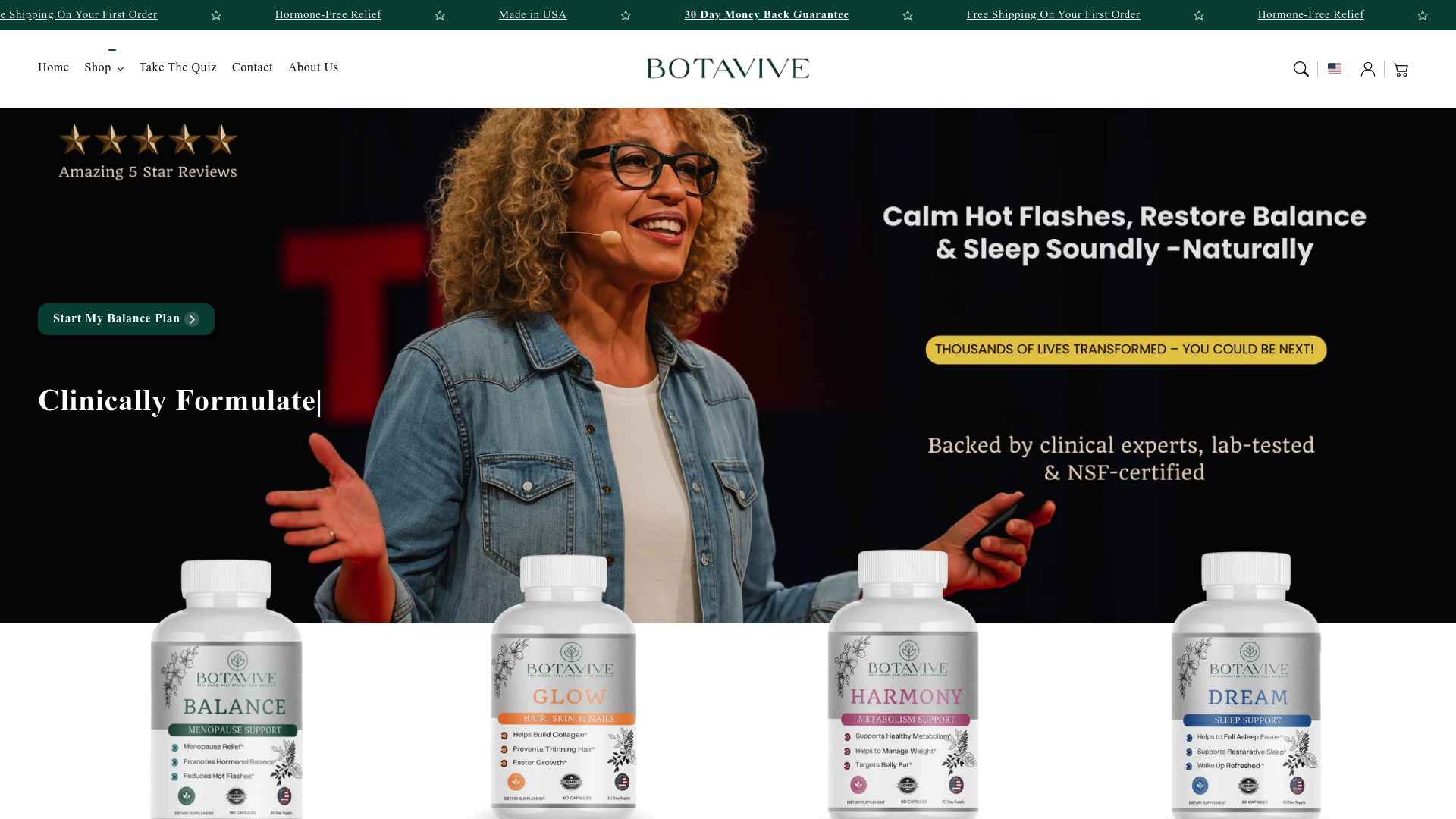
Botavive Glow rejuvenation formula addresses skin and hair changes that accompany menopause, supporting your wellness from multiple angles. Combined with inflammation-reducing dietary changes, this formula helps maintain the vibrant appearance you deserve during this transition.
For women addressing blood sugar fluctuations and metabolic shifts, Botavive Berberine metabolic support complements reduced sugar intake by supporting healthy glucose metabolism. This natural approach works synergistically with whole food nutrition to stabilize energy and weight.
Always consult your healthcare provider before starting new supplements, especially if you take medications or have underlying health conditions. Natural support works best as part of a comprehensive approach including diet, exercise, stress management, and adequate sleep.
FAQ
What foods most commonly trigger hot flashes during menopause?
Caffeine, alcohol, and spicy foods rank as the top hot flash triggers, with caffeine increasing frequency by up to 60%. Eliminating or significantly reducing these three categories produces noticeable improvement in most women within one to two weeks.
Can reducing sugar intake improve mood swings in menopause?
Yes, high sugar consumption directly correlates with increased mood variability and worsened emotional symptoms during menopause. Limiting added sugars stabilizes blood glucose levels, which reduces irritability, anxiety, and mood fluctuations while improving insulin sensitivity.
Are all fats equally harmful during menopause?
No, fats affect menopausal health very differently depending on type. Saturated and trans fats increase inflammation and should be minimized, while unsaturated fats from sources like olive oil, avocados, nuts, and fatty fish support hormonal balance and reduce symptoms.
How quickly will I notice symptom improvement after eliminating trigger foods?
Most women experience measurable improvement within one to three weeks of eliminating primary triggers like caffeine and alcohol. Inflammatory changes from reducing unhealthy fats and processed foods typically require four to eight weeks to produce noticeable symptom reduction.
Do I need to avoid these foods permanently or just during active symptoms?
Severity determines duration, but many women find that permanent or long-term reduction produces the best quality of life. As you transition through menopause and symptoms stabilize, you may cautiously reintroduce small amounts of certain foods while monitoring your response.
Recommended
- 7 Powerful Herbs for Menopause Relief You Need to Try – Botavive
- Natural Menopause Relief: A Holistic Guide to Managing Symptoms – Botavive
- What Are the Symptoms of Menopause? Full Guide – Botavive
- How to Manage Menopause Symptoms Naturally and Effectively – Botavive
- What are the 10 worst foods for Inflammation? – LongevityBotanicals