

Top herbs for stress relief during menopause in 2026
Menopause often brings stress, mood swings, and hormonal changes that significantly impact quality of life. Many women seek natural herbal remedies but face an overwhelming number of options with varying claims and evidence. This article cuts through the confusion by presenting clear criteria and evidence-backed top herbs for stress relief in menopause, helping you make informed decisions about botanical support during this transition.
Table of Contents
- How To Choose Effective Herbs For Stress Relief During Menopause
- Top Herbs For Stress Relief In Menopause: Evidence And Benefits
- Comparing Key Herbs: Effectiveness, Safety, And Usage
- How To Choose The Right Herb Or Blend For Your Stress Relief Needs
- Discover Botavive Natural Menopause Support
- Frequently Asked Questions
Key takeaways
| Point | Details |
|---|---|
| Ashwagandha and Shatavari effectively address menopausal stress | Clinical trials show significant reductions in psychological symptoms and hormonal imbalances. |
| Bioactive compounds provide powerful relief | Withaferin A, quercetin, and other plant compounds offer antidepressant, anxiolytic, and neuroprotective effects. |
| Herb combinations yield stronger results | Black cohosh paired with Rhodiola demonstrates superior efficacy compared to single botanicals. |
| Current evidence is encouraging but evolving | Further research is needed to fully confirm mechanisms, yet existing studies support safety and effectiveness. |
How to choose effective herbs for stress relief during menopause
Selecting the right herbal remedy requires more than browsing labels at the health food store. You need a strategic approach based on scientific evidence and your individual health profile.
Start by looking for herbs backed by randomized controlled trials, not just traditional use claims. Clinical research demonstrates whether a botanical actually delivers stress relief and hormonal support during menopause. The gold standard includes double-blind, placebo-controlled studies with measurable outcomes like anxiety scores, cortisol levels, and quality of life assessments.
Bioactive compounds matter tremendously. Effective herbs contain specific phytochemicals that interact with your nervous system and endocrine pathways. For example, withaferin A in ashwagandha acts as an adaptogen, helping your body manage stress responses. Quercetin and other flavonoids provide antioxidant and anti-inflammatory effects that protect brain cells and support mood regulation.
Safety profiles deserve careful attention. Even natural remedies can cause side effects or interact with medications. Review clinical trial data for reported adverse events, typically mild digestive upset or headaches with quality herbs. Avoid botanicals with liver toxicity warnings or those that interfere with hormone-sensitive conditions unless your healthcare provider approves them.
Look for herbs that address multiple menopausal concerns simultaneously. The best options not only reduce stress and anxiety but also support hormonal balance, improve sleep quality, and ease physical symptoms like hot flashes. This multi-target approach maximizes your wellness investment.
Pro Tip: Match herb selection to your dominant symptoms. If stress and anxiety top your list, prioritize adaptogens like ashwagandha. For mood swings with hormonal fluctuations, consider phytoestrogen-containing herbs like shatavari.
Key criteria for effective stress-relieving herbs:
- Clinical evidence from peer-reviewed studies
- Identified bioactive compounds with known mechanisms
- Established safety profile with minimal side effects
- Hormonal balancing properties
- Quality standardization and third-party testing
Combining botanical knowledge with your personal health goals creates the foundation for successful herbal therapy. Consult our holistic menopause relief guide to understand how herbs fit into a comprehensive wellness strategy.
Top herbs for stress relief in menopause: evidence and benefits
Now that you understand selection criteria, let’s examine specific herbs that meet these standards with solid research backing their effectiveness.
Ashwagandha (Withania somnifera) stands out as a premier adaptogenic herb for menopausal stress relief. Recent clinical trials show significant reductions in menopausal symptoms, stress markers, and hormonal imbalances. Women taking ashwagandha root extract experienced fewer hot flashes, improved sleep quality, and better overall mood compared to placebo groups. The herb’s withanolides act on the hypothalamic-pituitary-adrenal axis, helping regulate cortisol and stress responses.

Shatavari (Asparagus racemosus) offers gentle yet effective support for menopausal women seeking natural stress relief. Studies demonstrate improved mood and self-esteem when shatavari root extract is used alone or combined with ashwagandha. This Ayurvedic herb contains phytoestrogens that may help balance declining estrogen levels while providing neuroprotective effects. Women report feeling calmer and more emotionally stable with consistent use.
Black cohosh paired with Rhodiola rosea creates a powerful synergy for managing menopausal emotional symptoms. Research confirms this combination significantly alleviates stress, anxiety, and mood disturbances beyond what either herb achieves alone. Black cohosh modulates neurotransmitter activity while rhodiola enhances mental performance and resilience to stress. Together, they address both the physical and psychological dimensions of menopause.
Rhodiola rosea (Arctic root) deserves special attention for its anti-fatigue and mood-enhancing properties. This adaptogen helps your body maintain energy levels while managing stress more effectively. Women experiencing menopausal burnout and exhaustion often find rhodiola particularly beneficial for restoring vitality alongside emotional balance.
Top evidence-backed herbs for menopausal stress:
- Ashwagandha: Reduces cortisol, improves hormone profiles, lessens hot flashes
- Shatavari: Enhances mood, supports estrogen balance, gentle on the system
- Black cohosh: Modulates neurotransmitters, reduces emotional volatility
- Rhodiola: Combats fatigue, enhances mental clarity and stress resilience
How to maximize herbal benefits:
- Start with standardized extracts ensuring consistent bioactive compound levels
- Allow 4-8 weeks for full therapeutic effects to develop
- Take herbs consistently at recommended dosages
- Monitor your response and adjust as needed with professional guidance
- Consider combinations for synergistic multi-symptom relief
Each herb offers unique compounds supporting different aspects of stress relief and hormonal health. Explore our guide to powerful menopause herbs for additional botanical options. Understanding the mental health impact of menopause helps you recognize why targeted herbal support makes such a difference in quality of life during this transition.
Comparing key herbs: effectiveness, safety, and usage
Making informed choices becomes easier when you can compare herbs side by side across critical factors like effectiveness, safety profiles, and practical usage guidelines.
| Herb | Stress Relief Effectiveness | Safety Profile | Recommended Usage |
|---|---|---|---|
| Ashwagandha | High: significant cortisol reduction and anxiety relief | Generally safe, mild digestive upset possible | 300-600mg extract daily for 8-12 weeks |
| Shatavari | Moderate to High: improves mood and emotional stability | Very safe with minimal adverse events | 500mg extract twice daily, ongoing use |
| Black Cohosh | Moderate: best for emotional symptoms when combined | Generally safe, avoid with liver conditions | 20-40mg standardized extract daily |
| Rhodiola | Moderate to High: excellent for fatigue-related stress | Safe, occasional jitteriness at high doses | 200-400mg extract in morning |
This comparison reveals important patterns. Ashwagandha delivers the strongest stress reduction effects but requires consistent use over several weeks. Shatavari offers the gentlest safety profile, making it ideal for women concerned about side effects or those new to herbal therapy.
Combining herbs strategically optimizes results beyond what single botanicals achieve. The ashwagandha-shatavari pairing addresses both acute stress responses and underlying hormonal imbalances. Black cohosh with rhodiola targets emotional volatility while boosting energy levels that often plummet during menopause.
Most women experience only mild, transient side effects if any. Common reactions include slight digestive changes during the first week or occasional headaches as your body adjusts. These typically resolve with continued use or slight dosage modifications.
Pro Tip: Keep a symptom journal tracking your stress levels, mood patterns, and physical symptoms for the first 8 weeks. This helps you identify which herbs or combinations work best for your unique biochemistry.
Key safety considerations:
- Consult healthcare providers if taking thyroid medications (ashwagandha interaction)
- Avoid black cohosh with existing liver conditions
- Start with lower doses and gradually increase to assess tolerance
- Choose reputable brands with third-party testing for purity
- Discontinue use if unusual symptoms develop
Quality matters significantly with herbal supplements. Look for products standardized to specific bioactive compounds and manufactured according to Good Manufacturing Practices. This ensures you’re getting therapeutic doses of the compounds responsible for stress relief benefits. Learn more about managing menopause symptoms naturally with a comprehensive approach that includes proper supplement selection.

How to choose the right herb or blend for your stress relief needs
Personalizing your herbal strategy ensures you address your specific symptom pattern rather than following generic recommendations that may not match your needs.
Start by assessing your primary concerns. Do you struggle mainly with anxiety and racing thoughts? Ashwagandha’s calming effects on the nervous system make it your first choice. If mood swings and emotional reactivity dominate, consider shatavari or black cohosh for hormonal stabilization. Women dealing with exhaustion alongside stress benefit most from rhodiola’s energizing properties.
Safety and pre-existing conditions must inform your selection. Review your current medications and health conditions with a qualified healthcare provider before starting herbal therapy. Some herbs interact with thyroid medications, blood thinners, or hormone replacement therapy. Others may not suit women with specific liver or autoimmune conditions.
Try single herbs initially before moving to combinations. This approach helps you identify which botanicals work best for your body and isolate any potential sensitivities. After 4-6 weeks with a single herb, you can add complementary botanicals for enhanced effects.
Synergistic herb combinations often yield better results than individual botanicals alone. The ashwagandha-shatavari blend supports both stress resilience and hormonal balance comprehensively. Black cohosh-rhodiola combinations address emotional symptoms while combating fatigue. These pairings work through complementary mechanisms, creating more complete relief.
Monitor your response systematically and adjust accordingly. Give each herb or combination at least 4-8 weeks before evaluating effectiveness. Track specific metrics like sleep quality, anxiety frequency, hot flash intensity, and overall mood stability. This data guides you toward optimal formulations.
Steps for personalized herb selection:
- Identify your top three menopausal symptoms in priority order
- Research which herbs target those specific concerns most effectively
- Review safety considerations and potential interactions
- Start with a single well-researched herb at recommended dosages
- Add complementary herbs after establishing baseline effects
- Adjust formulations based on your tracked results
Your stress relief journey with herbs should feel empowering, not overwhelming. Start with the fundamentals, pay attention to your body’s signals, and refine your approach based on real results. Consult our holistic menopause relief guide and menopause relief herbs list for additional support in building your personalized natural wellness plan.
Discover Botavive natural menopause support
You’ve learned which herbs work and how to choose them strategically. Now discover how Botavive makes evidence-backed botanical support simple and accessible.
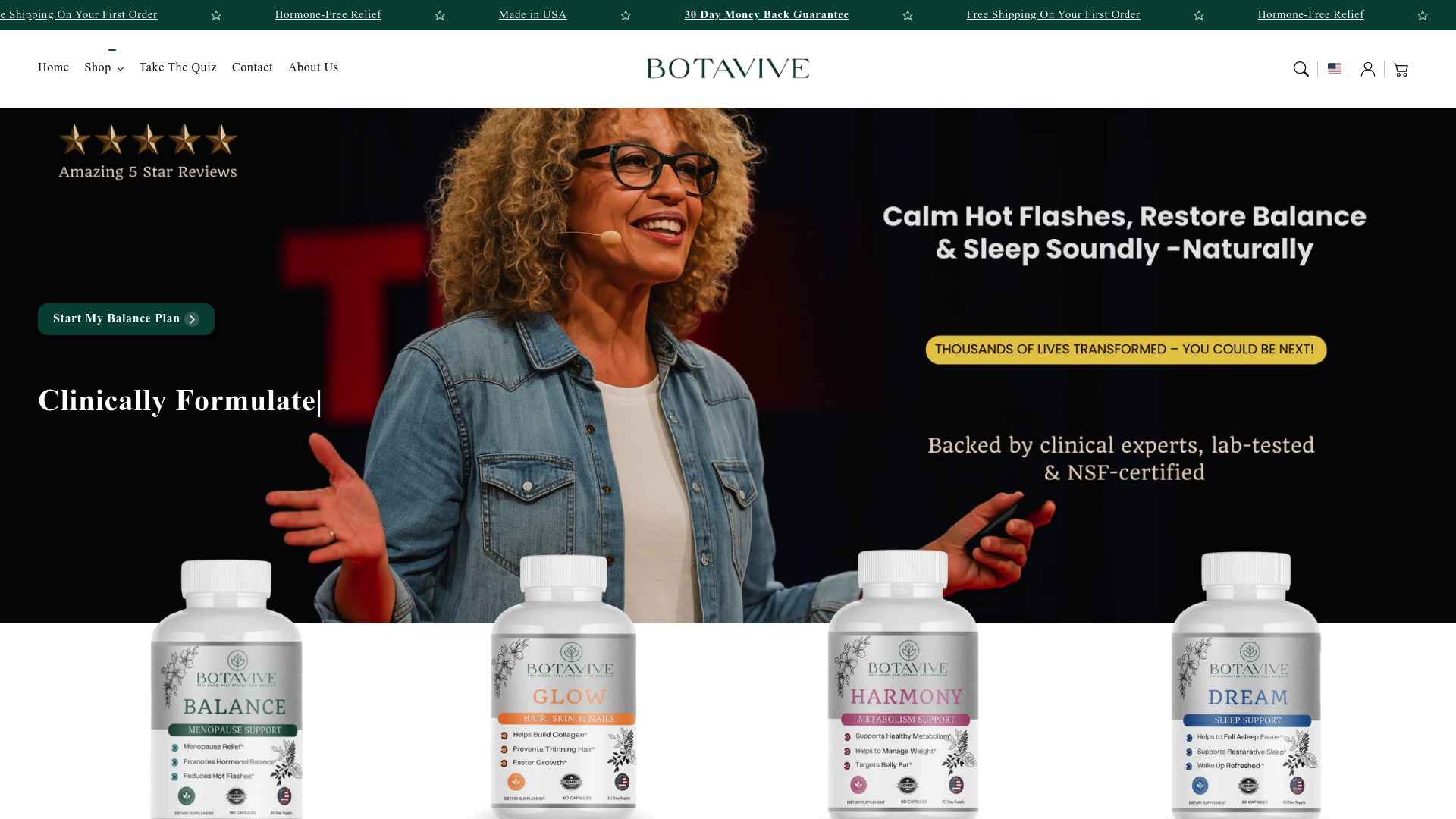
Botavive Balance offers comprehensive natural relief for multiple menopause symptoms including stress, mood swings, and hormonal imbalances. This carefully formulated supplement combines the evidence-backed herbs you’ve just learned about in therapeutic dosages designed for optimal effectiveness.
Our Total Wellness Bundle supports your overall radiance, balance, and vitality during menopause and beyond. This curated collection addresses the interconnected aspects of menopausal wellness, from stress management to physical vitality.
For women seeking skin, hair, and nail support during hormonal transitions, Botavive Glow provides targeted rejuvenation. These supplements reflect our commitment to botanical wisdom meeting modern science, helping you navigate menopause with natural, trusted solutions.
Frequently asked questions
What are the safest herbs for stress relief during menopause?
Ashwagandha and shatavari demonstrate excellent safety profiles in clinical trials, with only mild digestive effects reported occasionally. Shatavari shows particularly minimal adverse events across multiple studies. Always consult your healthcare provider before starting herbal therapy, especially if you take medications or have pre-existing conditions. Starting with evidence-backed herbs and reputable brands minimizes risks while maximizing potential benefits. Learn more about managing menopause symptoms naturally with safe, effective approaches.
Can combining herbs improve stress relief outcomes?
Yes, synergistic combinations often deliver superior results compared to single botanicals. Black cohosh paired with rhodiola yields significantly better menopausal symptom relief than either herb alone. The ashwagandha-shatavari combination addresses both acute stress and underlying hormonal imbalances comprehensively. Work with a qualified herbalist or healthcare provider to design personalized blends matching your symptom profile for optimal outcomes.
How long does it take for herbs to reduce menopausal stress?
Most women notice initial benefits within 4 to 8 weeks of consistent use at therapeutic dosages. Clinical trials show improvements as early as 4 weeks with ashwagandha and shatavari combinations. Full therapeutic effects typically develop over 8-12 weeks as bioactive compounds accumulate and regulate stress pathways. Consistency matters tremendously for optimal results, so maintain regular dosing even before you feel dramatic changes.
Do I need to take herbs forever for menopause stress relief?
No, many women use herbs during the most intense menopausal transition years and then reduce or discontinue as symptoms naturally stabilize. Typical therapeutic courses run 6-12 months, though some women benefit from ongoing low-dose maintenance. Your individual hormone patterns and stress levels determine optimal duration. Gradually tapering dosages while monitoring symptom recurrence helps you find the right long-term approach.
Can herbs replace hormone replacement therapy for stress?
Herbs offer valuable natural support but work differently than hormone replacement therapy. For some women with mild to moderate symptoms, botanical remedies provide sufficient relief without pharmaceutical intervention. Others find herbs complement HRT by addressing symptoms hormones don’t fully resolve. Discuss your specific situation with your healthcare provider to determine whether herbs alone, HRT, or a combination approach best serves your needs and health profile.