

Best foods for hair health in menopause: 7 natural picks
Menopause brings hormonal shifts that often trigger hair thinning and loss, leaving many women searching for natural solutions. Postmenopausal women remain disproportionately vulnerable to micronutrient deficiencies, making nutrition a critical factor in maintaining healthy hair. The right foods can provide essential nutrients that support hair growth, strengthen follicles, and reduce shedding during this transition. This article identifies the top foods to help rejuvenate and strengthen your hair naturally.
Table of Contents
- How To Choose The Best Foods For Menopause-Related Hair Health
- Top Foods Rich In Protein And Sulfur Amino Acids For Hair Building
- Essential Vitamins And Minerals In Foods That Boost Hair Growth And Reduce Shedding
- Healthy Fats And Complex Carbohydrates For Hormonal Balance And Hair Vitality
- Supplements And Nutraceuticals Enhancing Hair Growth In Menopausal Women
- Support Your Hair Health With Botavive’s Natural Formulas
- Frequently Asked Questions
Key takeaways
| Point | Details |
|---|---|
| Protein and amino acids build hair structure | Foods rich in sulfur amino acids like cysteine and methionine form keratin, the protein that makes up hair strands. |
| Vitamins and minerals prevent shedding | Nutrients including vitamins A, B, C, D and minerals like zinc and iron support follicle health and reduce hair loss. |
| Healthy fats balance hormones | Omega-3 fatty acids and monounsaturated fats support steroid hormone synthesis crucial for hair growth. |
| Supplements enhance dietary benefits | Clinical studies show targeted supplements can increase hair density and reduce shedding when combined with nutrient-rich foods. |
How to choose the best foods for menopause-related hair health
Hormonal changes during menopause lead to altered hair growth and characteristics, making food selection critical. Your diet should focus on specific nutrients that combat the underlying causes of menopause hair loss.
Start by prioritizing foods containing sulfur amino acids like cysteine and methionine. These compounds form keratin, the structural protein in hair. Without adequate sulfur amino acids, your body cannot produce strong, resilient hair strands.
Next, seek foods high in lysine, an amino acid that supports hair root structure and helps your body absorb iron and zinc. Low lysine levels correlate with increased hair shedding and slower regrowth.
Vitamins play distinct roles in hair health:
- Vitamin A supports sebum production, keeping your scalp moisturized
- B vitamins drive keratin synthesis and cell division in follicles
- Vitamin C protects follicles from oxidative stress and builds collagen
- Vitamin D regulates follicle cycling and immune function
Minerals are equally vital. Zinc supports protein synthesis in follicles. Iron delivers oxygen to hair roots. Copper helps form melanin and strengthens hair shafts. Selenium protects against cellular damage.
Pro Tip: Choose foods with high bioavailability. Animal proteins provide complete amino acid profiles your body absorbs efficiently, while pairing plant proteins with vitamin C-rich foods enhances iron absorption.
Healthy fats matter because they participate in steroid hormone synthesis. During menopause, declining estrogen affects hair growth cycles. Omega-3 and omega-6 fatty acids from food help maintain the hormonal balance needed for healthy follicles.
Complex carbohydrates with fiber stabilize blood sugar and reduce inflammation. Chronic inflammation damages follicles and accelerates hair loss. Low-glycemic foods prevent blood sugar spikes that trigger inflammatory responses.
Focus on nutrient density. Foods providing multiple hair-supporting nutrients in one package deliver better results than single-nutrient sources. Think salmon (protein, omega-3s, vitamin D) over isolated supplements.

Top foods rich in protein and sulfur amino acids for hair building
Standard value proteins containing sulphur amino acids are basic elements of diet conditioning hair building. Your body needs these compounds daily to manufacture keratin and maintain hair strength.
Eggs rank as the gold standard. One large egg provides 6 grams of complete protein plus concentrated cysteine. The yolk contains biotin, supporting keratin production. Eat them scrambled, poached, or hard-boiled for maximum nutrient retention.
Lean poultry delivers methionine and cysteine without excess saturated fat. Chicken breast and turkey provide 25 to 30 grams of protein per 3-ounce serving. These amino acids directly feed follicle cells during active hair growth phases.
Fatty fish like salmon, mackerel, and sardines combine protein with omega-3 fatty acids. A 3-ounce salmon portion supplies 22 grams of protein and reduces scalp inflammation. The omega-3s support hormone synthesis crucial for menopausal hair health.

Plant-based options include lentils, chickpeas, and quinoa. Lentils provide 18 grams of protein per cooked cup plus iron and folate. Quinoa offers all nine essential amino acids, rare among plant foods. Chickpeas deliver protein and zinc in one package.
Nuts and seeds pack concentrated protein and healthy fats. Almonds, walnuts, pumpkin seeds, and hemp seeds provide 5 to 10 grams of protein per ounce. They also supply vitamin E, protecting follicles from oxidative damage.
Pro Tip: Combine plant proteins throughout the day to create complete amino acid profiles. Pair rice with beans, or hummus with whole grain bread, to match the amino acid balance found in animal sources.
Dairy products like Greek yogurt and cottage cheese supply lysine alongside calcium. Greek yogurt provides 15 to 20 grams of protein per serving. The lysine helps your body use iron and zinc more efficiently, supporting menopause hair loss natural remedies.
Balancing animal and plant proteins ensures you get diverse amino acid profiles. This variety supports every stage of hair growth, from follicle activation to strand formation.
Essential vitamins and minerals in foods that boost hair growth and reduce shedding
Vitamins C, B, and A impact hair health; minerals like zinc, iron, copper, and selenium influence hair growth. These micronutrients work together to keep follicles functioning optimally during menopause.
Vitamin A-rich foods support sebum production, your scalp’s natural conditioner. Sweet potatoes, carrots, spinach, and kale provide beta-carotene that converts to vitamin A. One medium sweet potato delivers over 400% of your daily vitamin A needs. Avoid excessive supplementation, as too much vitamin A can trigger hair loss.
B vitamins drive keratin production and red blood cell formation. Biotin (B7) strengthens hair shafts. Folate (B9) supports cell division in follicles. B12 helps deliver oxygen to hair roots. Whole grains, eggs, meat, legumes, and leafy greens supply these vitamins naturally.
Vitamin C builds collagen, the scaffolding that supports follicles in your scalp. It also enhances iron absorption from plant foods. Citrus fruits, strawberries, bell peppers, and broccoli provide abundant vitamin C. One medium orange supplies 70 milligrams, meeting your daily requirement.
Vitamin D regulates follicle cycling and immune function. During menopause, calcium and vitamin D co-supplementation robustly preserves bone mineral density and mitigates fracture risk. Fatty fish, egg yolks, and fortified foods provide dietary vitamin D. Since few foods naturally contain it, consider sun exposure or supplements.
| Nutrient | Top Food Sources | Hair Health Benefit |
|---|---|---|
| Zinc | Oysters, beef, pumpkin seeds, lentils | Supports protein synthesis in follicles, prevents shedding |
| Iron | Red meat, spinach, lentils, fortified cereals | Delivers oxygen to hair roots, prevents anemia-related loss |
| Copper | Shellfish, nuts, seeds, organ meats | Strengthens hair shafts, supports melanin production |
| Selenium | Brazil nuts, tuna, eggs, brown rice | Protects follicles from oxidative damage |
| Magnesium | Pumpkin seeds, almonds, spinach, black beans | Supports protein synthesis and reduces inflammation |
Zinc deficiency commonly occurs during menopause and directly causes hair shedding. Oysters provide the highest zinc concentration, but pumpkin seeds and beef offer practical alternatives. Pair plant-based zinc sources with protein for better absorption.
Iron deficiency ranks among the most common causes of hair loss in women. Red meat supplies heme iron, the most absorbable form. Plant sources like spinach and lentils provide non-heme iron. Eating them with vitamin C-rich foods triples absorption rates.
Copper works with iron to form red blood cells and strengthen hair structure. Just one Brazil nut daily provides adequate selenium, protecting follicles from free radical damage. These trace minerals work synergistically, so eating varied foods ensures you get optimal ratios.
Magnesium supports over 300 enzymatic reactions, including protein synthesis needed for hair growth. It also reduces inflammation that damages follicles. Pumpkin seeds, almonds, and dark leafy greens provide magnesium alongside other hair-supporting nutrients.
Calcium maintains metabolic health during menopause. While not directly involved in hair growth, calcium deficiency disrupts hormonal balance and affects overall health. Dairy products, fortified plant milks, and leafy greens supply calcium. Explore best supplements for menopausal hair loss to ensure adequate intake.
Healthy fats and complex carbohydrates for hormonal balance and hair vitality
Fats participate in steroid hormone synthesis influencing hair health; complex carbs regulate carbohydrate-lipid metabolism. These macronutrients create the metabolic environment follicles need during menopause.
Omega-3 fatty acids reduce inflammation and support hormone production. Fatty fish like salmon, mackerel, and sardines provide EPA and DHA, the most potent omega-3 forms. Plant sources include flaxseeds, chia seeds, and walnuts, though your body converts their ALA less efficiently.
Monounsaturated fats from olive oil align with Mediterranean diet patterns linked to better menopausal health. Extra virgin olive oil contains polyphenols that protect cells from oxidative stress. Use it as your primary cooking fat and drizzle it over salads and vegetables.
Omega-6 fatty acids from nuts, seeds, and avocados support skin barrier function and hormone synthesis. While Western diets often contain excess omega-6, whole food sources provide balanced ratios with other nutrients. Avocados deliver healthy fats alongside vitamin E and B vitamins.
Complex carbohydrates with low glycemic index values stabilize blood sugar and reduce inflammation. Spikes in blood glucose trigger inflammatory responses that damage follicles. Whole grains, legumes, and non-starchy vegetables provide sustained energy without blood sugar crashes.
Fiber-rich foods improve metabolic pathways relevant to hair growth. Fiber feeds beneficial gut bacteria that produce vitamins and regulate inflammation. Oats, quinoa, brown rice, and vegetables supply soluble and insoluble fiber supporting digestive health.
Pro Tip: Replace refined grains with whole grain alternatives. Swap white rice for brown rice or quinoa. Choose whole grain bread over white bread. These simple substitutions dramatically improve your nutrient intake.
| Food Category | Top Sources | Hair Health Benefits |
|---|---|---|
| Omega-3 fats | Salmon, mackerel, sardines, flaxseeds, walnuts | Reduce inflammation, support hormone synthesis |
| Monounsaturated fats | Olive oil, avocados, almonds | Protect cells, align with Mediterranean diet benefits |
| Low-GI complex carbs | Oats, quinoa, sweet potatoes, legumes | Stabilize blood sugar, reduce inflammatory responses |
| Fiber sources | Vegetables, whole grains, berries, legumes | Support gut health, regulate metabolism |
Sweet potatoes combine complex carbs with beta-carotene and fiber. Their low glycemic index prevents blood sugar spikes while delivering sustained energy. The beta-carotene converts to vitamin A, supporting sebum production.
Legumes like black beans, lentils, and chickpeas provide complex carbs, protein, and fiber in one package. They stabilize blood sugar while supplying amino acids and minerals. This triple benefit makes them ideal for managing menopausal hair loss symptoms.
Balancing healthy fats with complex carbs creates metabolic stability. This stability maintains the hormonal environment follicles need during menopause. Focus on whole, minimally processed foods for maximum benefit.
Supplements and nutraceuticals enhancing hair growth in menopausal women
While whole foods form the foundation, nutraceuticals like Nutrafol and pumpkin seed oil significantly improved hair density. These targeted supplements amplify the benefits of a nutrient-rich diet.
Multi-component supplements combining plant extracts and probiotics show promising results. These formulas address multiple pathways affecting hair growth, from inflammation to hormone balance. They work best when paired with adequate dietary protein and micronutrients.
Pumpkin seed oil demonstrates scalp health improvements in clinical studies. The oil contains fatty acids, zinc, and phytosterols that support follicle function. Taking 400 milligrams daily alongside a balanced diet shows measurable benefits.
Nutrafol Women’s Balance Capsules showed significant increase in terminal hair counts and decreased shedding. This clinically validated formula combines saw palmetto, ashwagandha, curcumin, and marine collagen. The six-month study revealed improved hair thickness without serious adverse effects.
Biotin supplements support keratin production, though most people get adequate biotin from food. High-dose biotin (2,500 to 5,000 micrograms daily) may benefit those with documented deficiency. However, excess biotin can interfere with lab tests, so consult your doctor before supplementing.
Marine collagen peptides provide amino acids in easily absorbed forms. Type I collagen supports skin and hair structure. Taking 5 to 10 grams daily alongside vitamin C enhances collagen synthesis in follicles and scalp tissue.
Pro Tip: Start supplements one at a time to identify which ones benefit you most. Hair growth cycles take three to six months, so give each supplement adequate time before assessing results.
“Combining a nutrient-dense diet with evidence-based supplements offers the most comprehensive approach to menopausal hair health. No single intervention addresses all the factors affecting hair growth during this transition.”
Probiotic supplements support gut health, influencing nutrient absorption and inflammation levels. Strains like Lactobacillus and Bifidobacterium improve micronutrient bioavailability. Better absorption means more nutrients reach your follicles.
Adaptogenic herbs like ashwagandha reduce stress hormones that accelerate hair loss. Chronic stress during menopause compounds hormonal effects on hair. Ashwagandha helps normalize cortisol levels, protecting follicles from stress-related damage.
Consider your individual needs when selecting supplements. Blood tests can reveal specific deficiencies requiring targeted supplementation. Work with a healthcare provider to create a personalized plan combining diet and supplements for menopause hair loss natural solutions.
Support your hair health with Botavive’s natural formulas
Transforming your diet takes time, but you can accelerate results with targeted nutritional support. Botavive specializes in natural formulas designed specifically for women navigating menopause and hormonal changes.
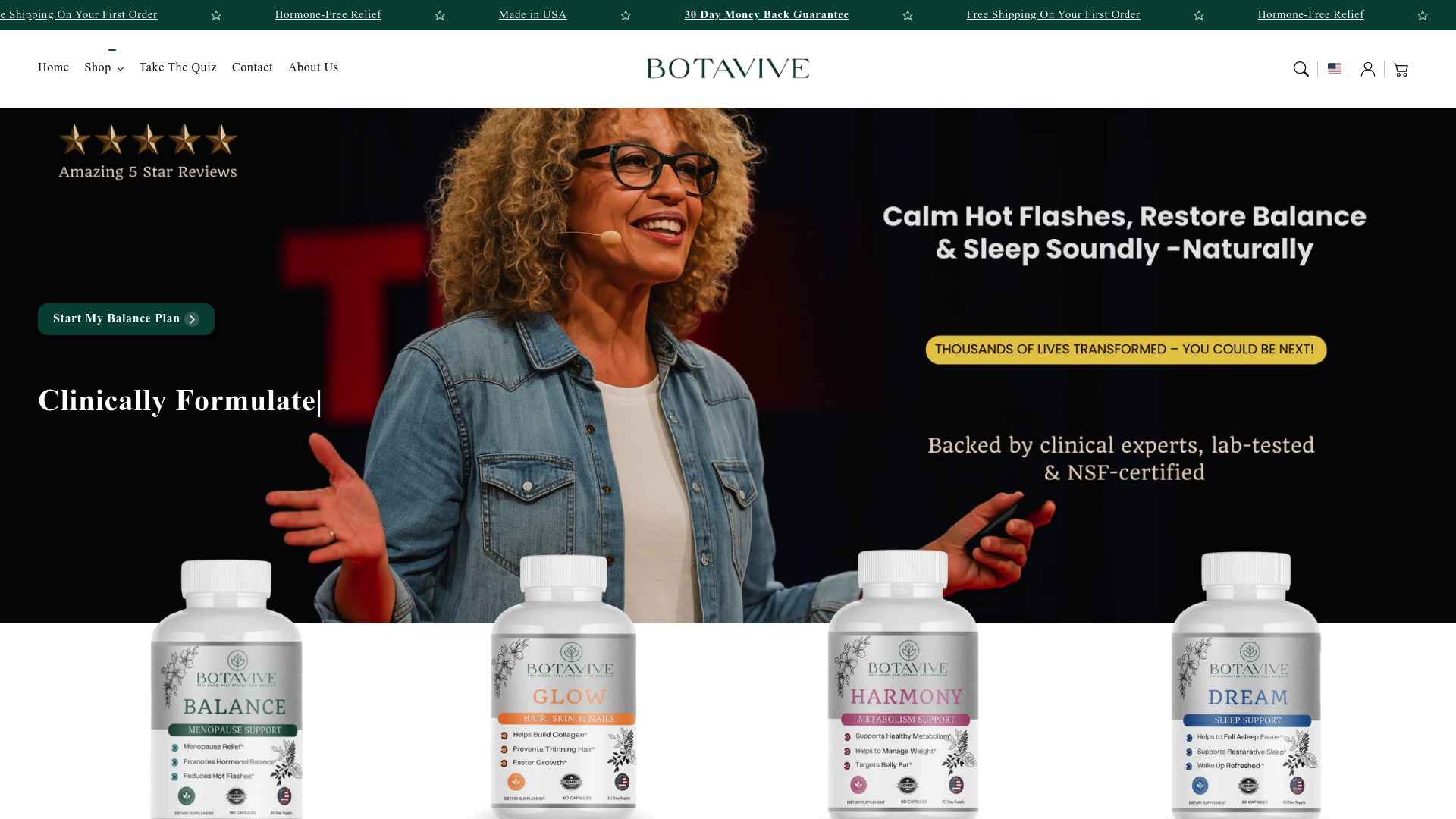
Our Botavive Glow formula combines biotin, marine collagen, and botanical extracts supporting hair, skin, and nail health. Customers report stronger, thicker hair within three months. The formula complements your dietary efforts with concentrated nutrients proven to enhance hair growth.
The Botavive Balance supplement addresses hormonal fluctuations at their source. By supporting balanced hormone levels, it creates optimal conditions for healthy hair growth during menopause. Many women notice reduced shedding and improved hair texture within the first month.
For comprehensive support, explore our Total Wellness Bundle. This collection provides targeted nutrients for multiple aspects of menopausal health, from hormone balance to metabolic support. When combined with the nutrient-rich foods outlined in this article, you create a powerful strategy for maintaining vibrant, healthy hair through menopause and beyond.
Frequently asked questions
What are the best foods to eat for hair health during menopause?
Focus on protein-rich foods like eggs, salmon, and legumes that provide sulfur amino acids for keratin production. Include vitamin-rich options such as sweet potatoes, citrus fruits, and leafy greens. Add zinc and iron sources like oysters, pumpkin seeds, and red meat to prevent shedding. Incorporate healthy fats from olive oil, avocados, and fatty fish to support hormone synthesis. Complex carbohydrates with low glycemic index values, including oats and quinoa, stabilize blood sugar and reduce inflammation affecting menopause hair loss.
Can dietary supplements really improve hair growth during menopause?
Clinical studies show supplements increase hair density and reduce shedding when combined with proper nutrition. Multi-component formulas containing plant extracts, marine collagen, and targeted nutrients work synergistically with dietary intake. Supplements fill nutritional gaps and provide concentrated doses difficult to achieve through food alone. For best results, use evidence-based products alongside a balanced, nutrient-dense diet rather than relying on supplements as standalone solutions.
Which vitamins and minerals are most important for menopausal hair health?
Vitamins A, B-complex (especially biotin and folate), C, and D support keratin production, collagen synthesis, and follicle function. Minerals including zinc, iron, copper, and selenium prevent shedding and protect follicles from oxidative damage. Zinc supports protein synthesis in follicles, while iron delivers oxygen to hair roots. Copper strengthens hair shafts and selenium protects against cellular damage. Getting these nutrients from whole foods ensures optimal absorption and balanced ratios.
How does menopause affect hair growth and what natural diet solutions help?
Menopause causes hormonal changes leading to female-pattern hair loss and telogen effluvium, where follicles enter resting phase prematurely. Declining estrogen shortens the growth phase and prolongs shedding periods. A diet rich in protein, B vitamins, iron, zinc, and healthy fats supports follicle function during this transition. Omega-3 fatty acids reduce inflammation while complex carbohydrates stabilize metabolism. These dietary strategies help manage menopausal hair loss symptoms naturally by providing nutrients your body needs to maintain healthy growth cycles.
Recommended
- Menopause and hair loss: natural remedies in 2026 – Botavive
- Hair Loss in Menopause: 40% Face Thinning, Natural Help – Botavive
- Does menopause cause hair loss? Manage symptoms in 2026 – Botavive
- 7 Powerful Herbs for Menopause Relief You Need to Try – Botavive