

How to improve hair health naturally during menopause
Menopause brings many changes, and hair thinning ranks among the most frustrating. Hormonal shifts during this transition weaken follicles, increase shedding, and reduce hair density. The good news? Natural remedies backed by recent research can reverse these effects. This guide teaches you practical, science-based approaches to restore hair strength and thickness. You’ll learn which supplements work, how herbal treatments stimulate growth, and what timeline to expect for visible improvements.
Table of Contents
- Understanding Menopause And Its Impact On Hair Health
- Preparing For Hair Health: Essential Nutrients And Supplements
- Natural Herbal Remedies And Topical Treatments To Boost Hair Growth
- Implementing A Holistic Hair Care Routine And Expected Results
- Explore Botavive’s Natural Hair Health Solutions
Key takeaways
| Point | Details |
|---|---|
| Hormonal changes drive hair loss | Estrogen decline and increased androgens weaken follicles during menopause |
| Natural supplements show proven results | Saw palmetto, ginseng, and targeted nutrients increase hair density by 6 months |
| Topical treatments boost scalp health | Rosemary oil and herbal extracts improve circulation and follicle function |
| Holistic routines optimize outcomes | Combining nutrition, supplements, and lifestyle changes yields best results |
| Consistency matters most | Visible improvements require 3 to 6 months of daily adherence |
Understanding menopause and its impact on hair health
Menopause fundamentally alters how your body supports hair growth. Estrogen decline reduces protective effects on hair follicles, leaving them vulnerable to damage. At the same time, increased androgen sensitivity raises dihydrotestosterone levels, which shrinks follicles and shortens their growth phase. Oxidative stress compounds these problems by damaging follicle cells and accelerating hair loss.
The statistics paint a clear picture. Up to 52% of postmenopausal women experience noticeable hair thinning. This isn’t just cosmetic. Hair loss affects confidence, self-image, and quality of life. Understanding these biological mechanisms explains why natural hormone-balancing remedies work so effectively.
Several key factors contribute to menopausal hair changes:
- Reduced estrogen weakens hair shaft structure and slows growth cycles
- Elevated androgens miniaturize follicles over time
- Increased oxidative stress damages cellular DNA in follicle tissue
- Inflammation disrupts nutrient delivery to hair roots
- Decreased collagen production thins scalp tissue
These changes create a perfect storm for hair thinning. Your follicles need more support than ever, yet hormonal shifts remove their natural protection. This biological reality makes managing menopause hair loss symptoms essential for maintaining hair health. The good news? Natural remedies target these exact mechanisms, restoring balance and supporting follicle function.

Preparing for hair health: essential nutrients and supplements
Your body needs specific building blocks to grow strong, healthy hair. Vitamins A, B-complex, C, D, E and minerals play crucial roles in follicle strength and growth cycles. Deficiencies in any of these nutrients directly compromise hair quality. Menopausal women face higher risk of these deficiencies due to metabolic changes and reduced absorption.

Recent research reveals which supplements actually work. Nutrafol, pumpkin seed oil, and tocotrienols significantly improve hair density in women with androgenetic alopecia. These aren’t marketing claims. Clinical trials show measurable increases in hair count and thickness within six months.
Key nutrients for hair health include:
- Biotin strengthens keratin structure and reduces breakage
- Zinc supports follicle repair and protein synthesis
- Iron delivers oxygen to hair roots for optimal growth
- Vitamin D regulates follicle cycling and new hair formation
- Omega-3 fatty acids reduce inflammation and nourish scalp tissue
The following table summarizes effective supplements with their specific benefits:
| Supplement | Primary Benefit | Typical Daily Dose |
|---|---|---|
| Nutrafol | Increases hair density and reduces shedding | 4 capsules |
| Pumpkin seed oil | Blocks DHT and supports follicle health | 400 mg |
| Tocotrienols | Antioxidant protection for follicle cells | 50 mg |
| Marine collagen | Strengthens hair shaft structure | 2.5-5 g |
| Biotin complex | Improves keratin infrastructure | 2.5-5 mg |
Pro Tip: Take hair supplements with a meal containing healthy fats to maximize absorption of fat-soluble vitamins like A, D, and E. This simple timing adjustment can boost nutrient uptake by 30% or more.
Building your nutritional foundation sets the stage for visible improvements. Your follicles need these raw materials to produce strong, thick hair. Combining targeted supplements with best foods for hair health in menopause creates a comprehensive approach. Don’t skip this preparation step. Even the most powerful topical treatments can’t compensate for nutritional deficiencies. Focus on vitamins for menopausal hair loss as your first line of defense.
Natural herbal remedies and topical treatments to boost hair growth
Herbal extracts offer powerful solutions for stimulating hair regrowth. These plant-based compounds work through multiple pathways to strengthen follicles and improve scalp conditions. Unlike synthetic treatments, herbs provide complementary benefits with minimal side effects.
Saw palmetto stands out for its hormonal action. This palm extract inhibits 5α-reductase enzyme, reducing dihydrotestosterone by 30% to 40%. Lower DHT levels mean less follicle miniaturization and better hair retention. Women using saw palmetto supplements report thicker hair and reduced shedding within three months.
Ginseng brings different mechanisms to the table. Its active compounds, ginsenosides, enhance hair follicle proliferation by stimulating cellular growth factors. This action extends the growth phase of hair cycles, allowing strands to reach greater length before shedding. Ginseng also improves blood flow to the scalp, delivering more nutrients to hungry follicles.
Rosemary oil delivers impressive topical benefits. This aromatic extract promotes scalp microcirculation with efficacy similar to minoxidil, the standard pharmaceutical treatment. Better circulation means more oxygen and nutrients reach follicle roots. Studies show rosemary oil users experience comparable hair growth to minoxidil users, without the irritation or dependency.
Effective ways to use herbal remedies:
- Mix 3 to 5 drops of rosemary oil with a carrier oil and massage into scalp twice weekly
- Take 320 mg of saw palmetto extract daily with food
- Consume 400 to 800 mg of ginseng supplement in divided doses
- Apply diluted peppermint oil to stimulate follicle activity
- Use green tea extract topically for antioxidant protection
Pro Tip: Apply rosemary oil treatments at night and leave on while you sleep for maximum absorption. Wrap your hair in a silk scarf to protect your pillowcase and lock in moisture.
These natural remedies for menopausal hair loss work best when used consistently. Your follicles respond gradually to herbal stimulation. Don’t expect overnight miracles, but do expect steady improvement. Combining multiple herbs creates synergistic effects, each supporting hair health through different pathways. This multi-targeted approach addresses the complex nature of menopausal hair thinning more effectively than any single treatment.
Implementing a holistic hair care routine and expected results
Success requires a structured approach that combines all the elements you’ve learned. Random application of remedies won’t deliver optimal results. You need a clear daily routine that integrates nutrition, supplements, topical treatments, and lifestyle factors.
Follow this daily routine for best results:
- Morning: Take hair-supporting supplements with breakfast containing healthy fats
- Midday: Drink green tea for antioxidant support and stay hydrated with 8 glasses of water
- Evening: Apply rosemary or peppermint oil scalp massage before bed
- Weekly: Use gentle, sulfate-free shampoo only 2 to 3 times per week
- Monthly: Trim ends to remove damage and track progress with photos
Lifestyle factors amplify your routine’s effectiveness. Stress management matters because cortisol disrupts hair growth cycles. Practice meditation, yoga, or deep breathing for 10 minutes daily. Regular exercise improves circulation throughout your body, including your scalp. Aim for 30 minutes of moderate activity five days per week.
The following table compares natural treatment timelines with conventional approaches:
| Treatment Type | Visible Results Timeline | Maintenance Required | Side Effects |
|---|---|---|---|
| Natural supplements | 3 to 6 months | Ongoing daily use | Minimal, generally safe |
| Herbal topicals | 2 to 4 months | 2 to 3 times weekly | Rare, mostly allergic reactions |
| Minoxidil | 4 to 6 months | Daily application indefinitely | Scalp irritation, dependency |
| Hormone therapy | 3 to 9 months | Ongoing medical supervision | Various systemic effects |
Research confirms these timelines. Hair growth nutraceuticals lead to significant increases in hair diameter, strength, and decreased breakage by day 180. This six-month mark represents a critical milestone. Most women notice thicker ponytails, reduced shedding on pillows, and improved hair texture.
Measurable improvements you can expect:
- Month 1 to 2: Reduced daily shedding, less hair in shower drain
- Month 3 to 4: New baby hairs appearing along hairline
- Month 5 to 6: Noticeably thicker hair shaft, improved styling volume
- Month 6 plus: Continued density gains, stronger overall hair structure
Pro Tip: Take progress photos in the same lighting every month to track subtle changes you might miss day to day. These visual records keep you motivated during the gradual improvement process.
Consistency separates success from disappointment. Your follicles need continuous support to maintain improvements. Skipping supplements or topical treatments disrupts the progress you’ve built. Think of hair care like fitness training. You wouldn’t expect muscle gains from sporadic gym visits. Hair health requires the same dedication.
Gentle hair handling protects your investment. Avoid tight hairstyles that stress follicles. Skip harsh chemical treatments and excessive heat styling. Use wide-toothed combs instead of brushes on wet hair. These small adjustments prevent breakage and allow your strengthened hair to shine. Supporting menopausal hair regrowth requires patience, but the results justify your effort.
Explore Botavive’s natural hair health solutions
You’ve learned the science behind natural hair restoration. Now discover products designed specifically for menopausal women seeking healthier hair. Botavive offers targeted formulations that align with the evidence-based strategies covered in this guide.
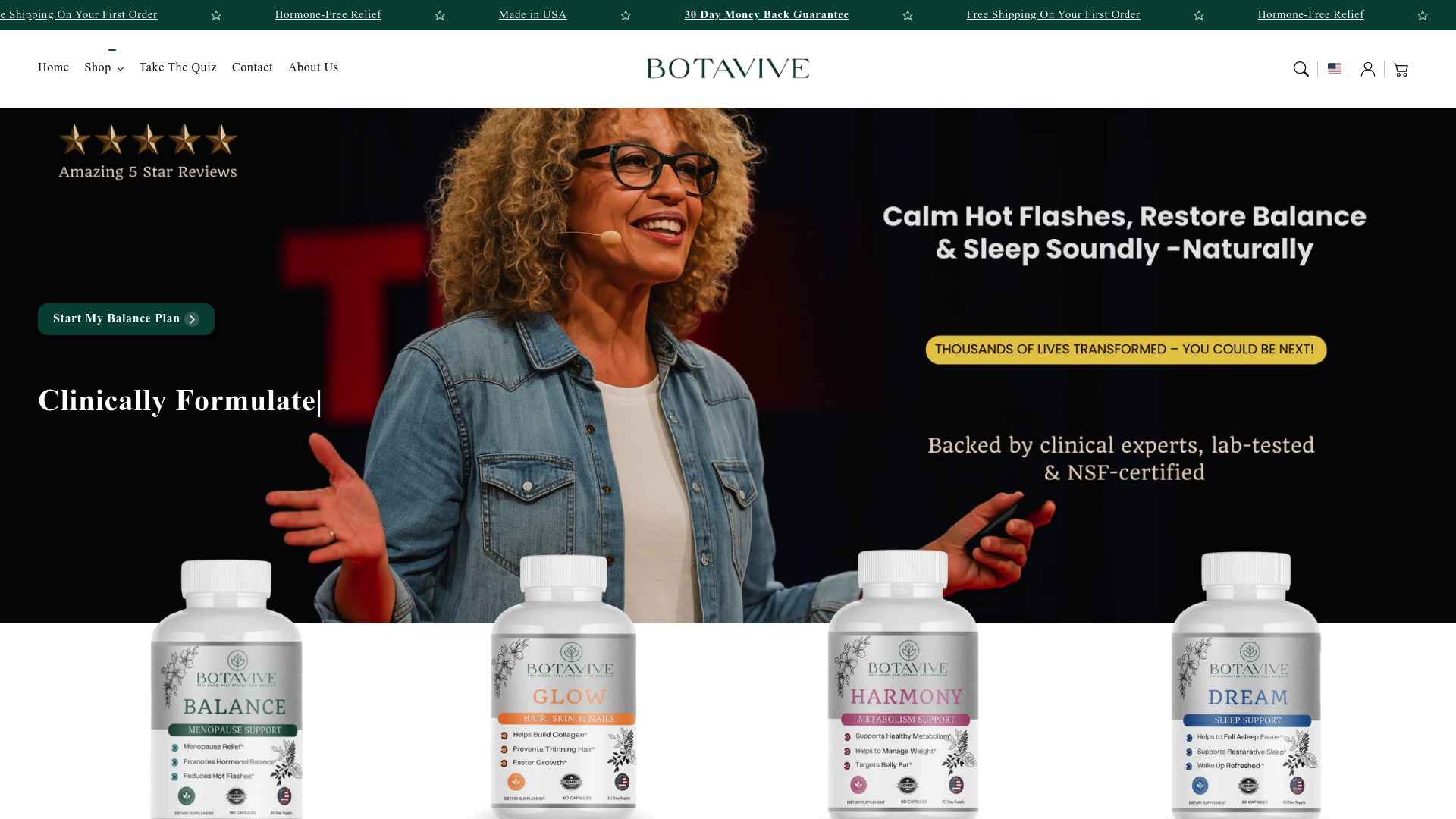
Botavive Glow hair skin and nails delivers essential nutrients for stronger hair growth in one convenient formula. This supplement combines biotin, collagen, and antioxidants to support follicle health from within. Botavive Balance menopause relief addresses hormonal fluctuations that contribute to hair thinning, providing comprehensive symptom support. For women seeking complete wellness, the total wellness essentials bundle combines multiple targeted supplements for hair, skin, and overall vitality. These products integrate seamlessly into the holistic routine outlined above, giving you professional-grade support for your hair health journey.
FAQ
How long does it take to see improvement in hair health using natural remedies?
Visible improvements in hair thickness and strength typically begin around 3 to 6 months of consistent use. Your hair growth cycle operates in phases, and new, healthier hair must grow out to replace older, damaged strands. Patience and adherence to your routine are essential for optimal results.
Are saw palmetto and ginseng safe for menopausal women to use?
Both saw palmetto and ginseng are generally safe when used as directed at recommended dosages. Most women tolerate these herbs well with minimal side effects. However, you should consult your healthcare provider before starting any new supplement, especially if you take medications or have underlying health conditions.
Can dietary changes alone improve hair health during menopause?
Diet provides a foundational role by supplying essential nutrients that support hair growth and follicle strength. Foods rich in protein, healthy fats, and vitamins directly impact hair quality. However, combining dietary improvements with targeted supplements and topical treatments yields the best results for addressing menopausal hair thinning.
What lifestyle changes support better hair health in menopausal women?
Stress management through meditation or yoga improves hair growth by reducing cortisol levels that disrupt follicle cycles. Regular exercise enhances scalp circulation, delivering more nutrients to hair roots. Adequate hydration and gentle hair care practices like avoiding harsh chemicals and excessive heat styling reduce breakage and support stronger hair growth.
Do I need to continue natural treatments indefinitely to maintain results?
Yes, ongoing support helps maintain the improvements you achieve. Your body continues experiencing hormonal changes throughout menopause and beyond, so follicles need consistent nutritional and herbal support. Think of hair care supplements like a daily multivitamin rather than a temporary fix. Most women find maintenance easier than the initial improvement phase, often reducing dosages once desired results are reached.